Leo
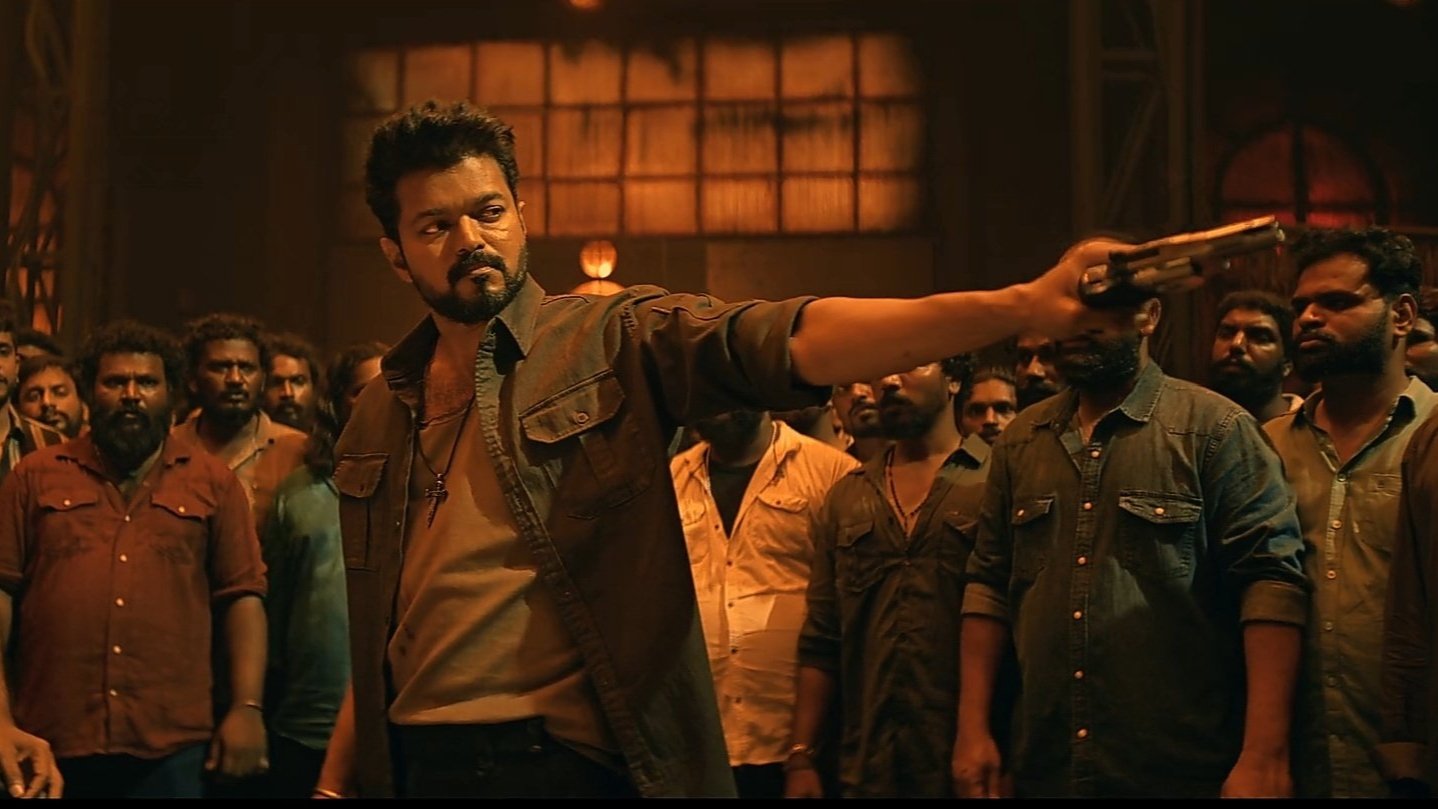
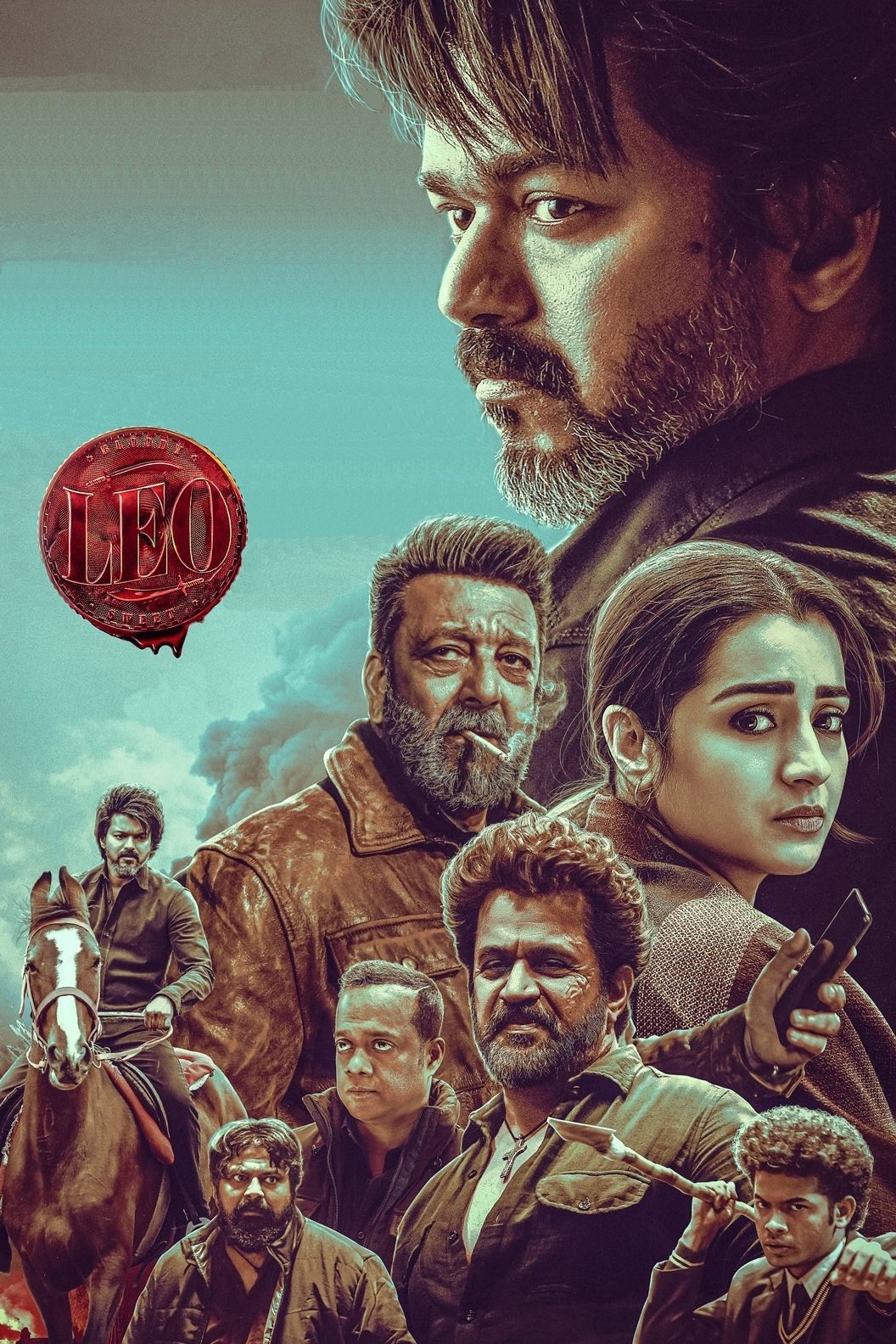
A Himachal café owner protects his wife and children from gangsters insisting he was once involved in a drug syndicate; the backstory also includes occult sacrifice claims.
Original language: Tamil
Culture Check verdict
How we rateMixed / Contested
High confidence · Reviewed 2026-10-11
Family Raksha is affirmative, but the earlier criminal network and supernatural sacrifice justify a material accountability and moral-coding caution; occult crimes should not be conflated with ordinary Hindu ritual.
Read the assessment & evidenceCultural framing · not a film-quality score
Why this verdict
The specific findings behind our assessment.
Family Raksha is affirmative, but the earlier criminal network and supernatural sacrifice justify a material accountability and moral-coding caution; occult crimes should not be conflated with ordinary Hindu ritual.
The tale can be read as a violent redemption and protection narrative, not systematic religious hostility; some flashback and occult narration remains disputed by viewers.
Noticed another scene? Tell us what happens and why it matters to Bharatiya values.
Reviewed 2026-10-11
Read our full editorial analysisWhat the film shows, its cultural framing, and why the verdict follows.
The story
Parthiban’s café and family life in Himachal are threatened by gangsters who identify him with the drug syndicate’s Leo. Protecting his wife and children becomes inseparable from the question of his past.
What matters in the film
The domestic life gives his defensive violence an understandable purpose. But a father’s immediate need to protect children does not settle responsibility for an earlier criminal identity or the harm attached to it.
Culture Check reading
The reported occult-sacrifice material requires its own distinction. A criminal group’s supernatural justification for violence cannot simply be treated as an account of ordinary Hindu observance.
The strongest opposing reading
Leo can reasonably be read as a redemption thriller in which a man refuses to let his past consume his household. That positive reading is substantial, although disputed flashback narration limits certainty about how completely the past has been confronted.
Why this verdict
Mixed / Contested reflects the combination of family protection and unresolved moral history. The caution concerns the hero’s relationship to violence and accountability, rather than a claim that the film condemns Hindu families or worship.
What this review does not claim
This analysis develops the film-specific published-source record. It does not claim independent full-film viewing, verified verbatim dialogue or knowledge of the filmmaker’s private intentions.
Supporting sources (2)
These sources support the analysis above. The cultural interpretation and verdict are Culture Check’s assessment.
- Lensmen Reviews
Supports: The story; What matters in the film; Culture Check reading; The strongest opposing reading; Why this verdict
- classification.gov.au
Supports: The story; What matters in the film; Culture Check reading; The strongest opposing reading; Why this verdict
Open the full evidence dossier
Signal map, Narrative Integrity and 3 source notes.
Open the full evidence dossier
Signal map, Narrative Integrity and 3 source notes.
Bharatiya signal map
Context for the verdict, not a film-quality score.
Dharma
3/5
Civilization
2/5
Rashtra
2/5
Itihasa
2/5
Parampara
2/5
Local Roots
3/5
Raksha
3/5
Social Dharma
3/5
Sacred Regard
2/5
Contempt Risk
2/5
Narrative Integrity
What changed, what it may mean, and what we can prove.
Evidence trail
Source notes behind this review.
review · Lensmen Reviews
A Himachal café owner protects his wife and children from gangsters insisting he was once involved in a drug syndicate; the backstory also includes occult sacrifice claims. Family Raksha is affirmative, but the earlier criminal network and supernatural sacrifice justify a material accountability and moral-coding caution; occult crimes should not be conflated with ordinary Hindu ritual.
View sourcereview · JustWatch India — original-language Tamil India OTT listing
Leo is an India-streamable Tamil-original 2023 film on Netflix. Its synopsis confirms: A Himachal café owner protects his wife and children from gangsters insisting he was once involved in a drug syndicate; the backstory also includes occult sacrifice claims.
View sourcereview · classification.gov.au
Australian Classification film content advisory, human-sacrifice and drug syndicate
View sourceCulture Check is a declared Bharatiya cultural signal, not a film-quality rating. Facts, interpretation and claims about intent are kept separate, and factual caveats do not automatically override the certification axis.
Editorial revision history
2 recorded reviews
Open
Editorial revision history
2 recorded reviews
Review 2
2026-10-11
Mixed / Contested
Family Raksha is affirmative, but the earlier criminal network and supernatural sacrifice justify a material accountability and moral-coding caution; occult crimes should not be conflated with ordinary Hindu ritual.
Review 1
2026-10-08
Mixed / Contested
The film gives meaningful weight to a family man protecting his wife and children while confronting a concealed gangster past, but the positive signals are materially qualified rather than clean enough for Sanghi Certified.
About the film
The film.
A Himachal café owner protects his wife and children from gangsters insisting he was once involved in a drug syndicate; the backstory also includes occult sacrifice claims.
Keep exploring.
Return to discovery with your OTT filters and find another film.