
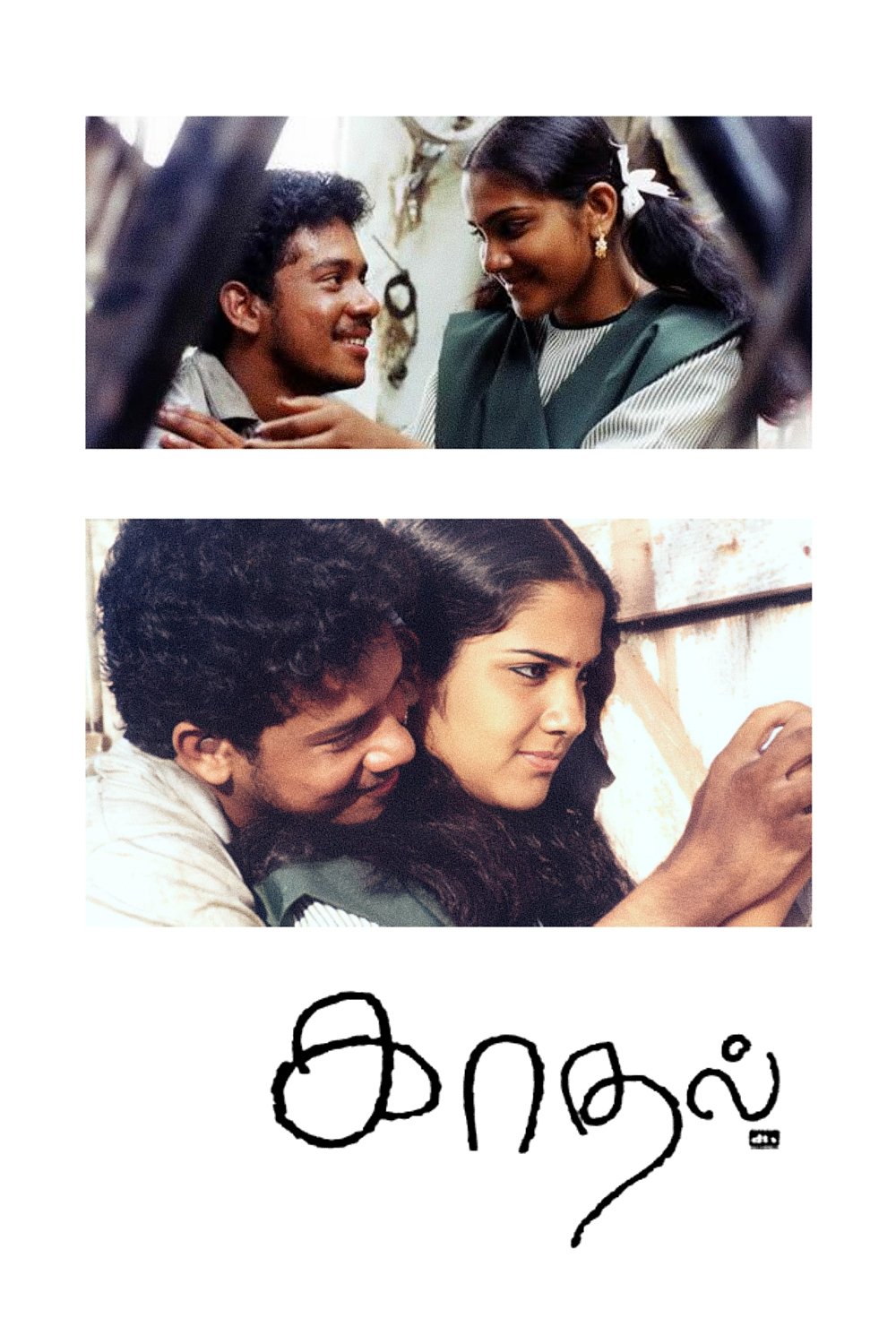
Kaadhal
A mechanic and a schoolgirl from different caste backgrounds elope and face brutal retaliation from her family.
Original language: Tamil
Culture Check verdict
How we rateMixed / Contested
High confidence · Reviewed 2026-10-08
The film’s sympathy for vulnerable lovers and condemnation of caste violence strongly support Social Dharma and human dignity.
Read the assessment & evidenceCultural framing · not a film-quality score
Why this verdict
The specific findings behind our assessment.
The film’s sympathy for vulnerable lovers and condemnation of caste violence strongly support Social Dharma and human dignity.
Family and caste structures are depicted primarily as coercive in the central conflict, making Parampara and community representation strongly critical.
Noticed another scene? Tell us what happens and why it matters to Bharatiya values.
Reviewed 2026-10-08
Read our full editorial analysisWhat the film shows, its cultural framing, and why the verdict follows.
The story
Kaadhal gives vulnerable lovers a claim to dignity against caste enforcement. The central conflict locates coercion within family and community structures.
What matters in the film
Compassion and eventual care matter, but the destruction of the lovers’ lives is not undone by them. The consequences of enforcement remain decisive.
Culture Check reading
The film’s humane force comes from taking love and vulnerability seriously. Its critical cultural framing comes from structures that deny the lovers a viable future.
The strongest opposing reading
A story about caste violence can oppose abuse rather than condemn every inherited relationship. Meaningful agency and care limit a wholly contemptuous reading without repairing the central harm.
Why this verdict
Mixed reflects both the defence of human dignity and the sustained coercive account of caste and family authority.
What this review does not claim
This analysis develops the film-specific published-source record. It does not claim independent full-film viewing, verified verbatim dialogue or knowledge of the filmmaker’s private intentions.
Supporting sources (1)
These sources support the analysis above. The cultural interpretation and verdict are Culture Check’s assessment.
- independently opened title-specific evidence
Supports: The story; What matters in the film; Culture Check reading; The strongest opposing reading; Why this verdict
Open the full evidence dossier
Signal map, Narrative Integrity and 3 source notes.
Open the full evidence dossier
Signal map, Narrative Integrity and 3 source notes.
Bharatiya signal map
Context for the verdict, not a film-quality score.
Dharma
3/5
Civilization
3/5
Rashtra
2/5
Itihasa
2/5
Parampara
2/5
Local Roots
4/5
Raksha
3/5
Social Dharma
4/5
Sacred Regard
2/5
Contempt Risk
2/5
Narrative Integrity
What changed, what it may mean, and what we can prove.
Evidence trail
Source notes behind this review.
film · Wikipedia title discovery
Title/year, credited premise and publicly documented plot context for Kaadhal (2004) were checked as the baseline film record.
View sourcefilm · IMDb title discovery
Independent title/credits discovery was used to cross-check that the certification attaches to the intended 2004 film rather than a remake or namesake.
View sourcereview · independently opened title-specific evidence
Director interview documents the husband’s continuing care, casteist pursuit, Aishwarya’s viewpoint, literary foreshadowing and a fictional story with an anecdote-inspired ending.
View sourceCulture Check is a declared Bharatiya cultural signal, not a film-quality rating. Facts, interpretation and claims about intent are kept separate, and factual caveats do not automatically override the certification axis.
Editorial revision history
2 recorded reviews
Open
Editorial revision history
2 recorded reviews
Review 2
2026-10-08
Mixed / Contested
The film’s sympathy for vulnerable lovers and condemnation of caste violence strongly support Social Dharma and human dignity.
Review 1
2026-10-03
Mixed / Contested
The film’s sympathy for vulnerable lovers and condemnation of caste violence strongly support Social Dharma and human dignity.
About the film
The film.
A mechanic and a schoolgirl from different caste backgrounds elope and face brutal retaliation from her family.
Keep exploring.
Return to discovery with your OTT filters and find another film.