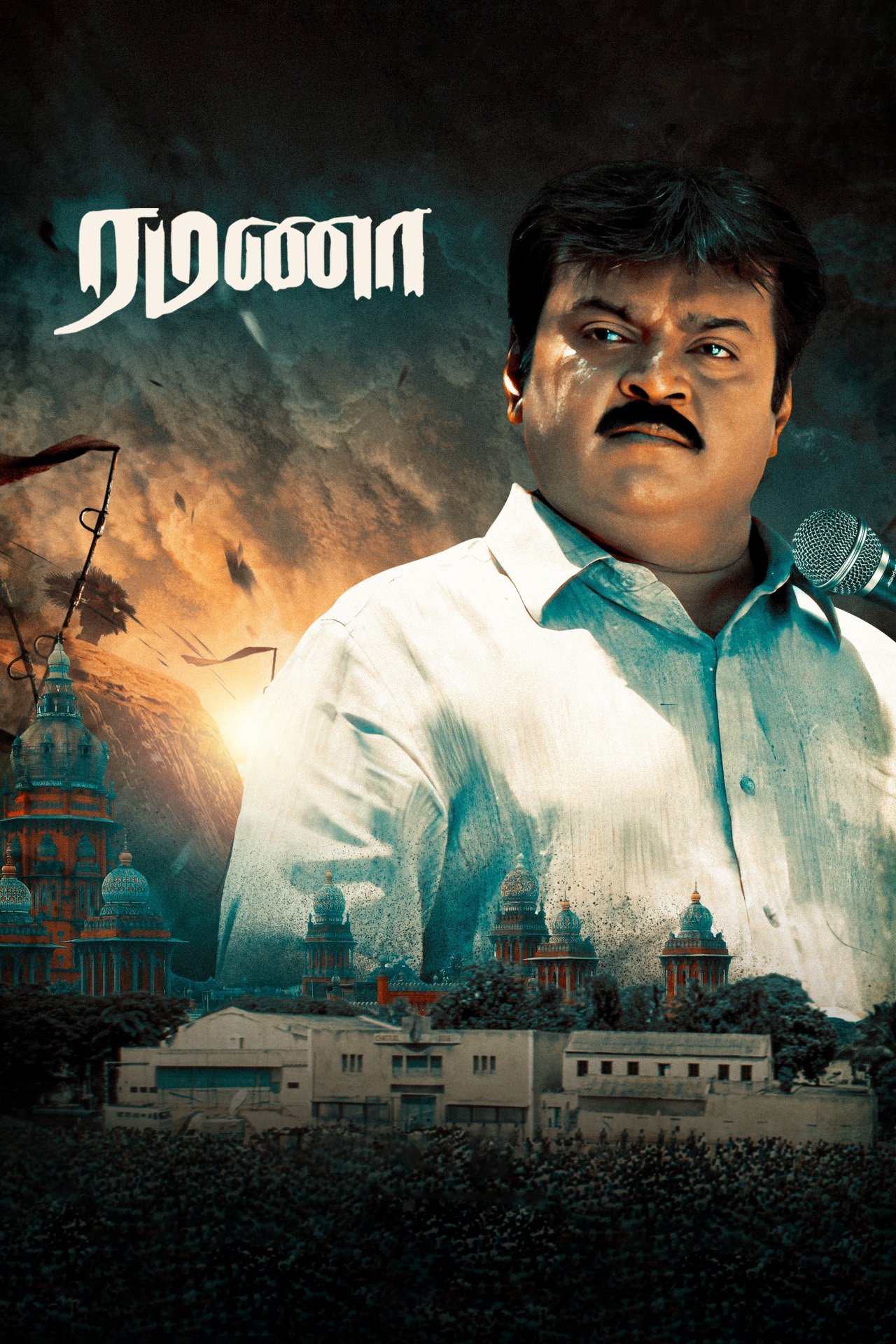
Ramana
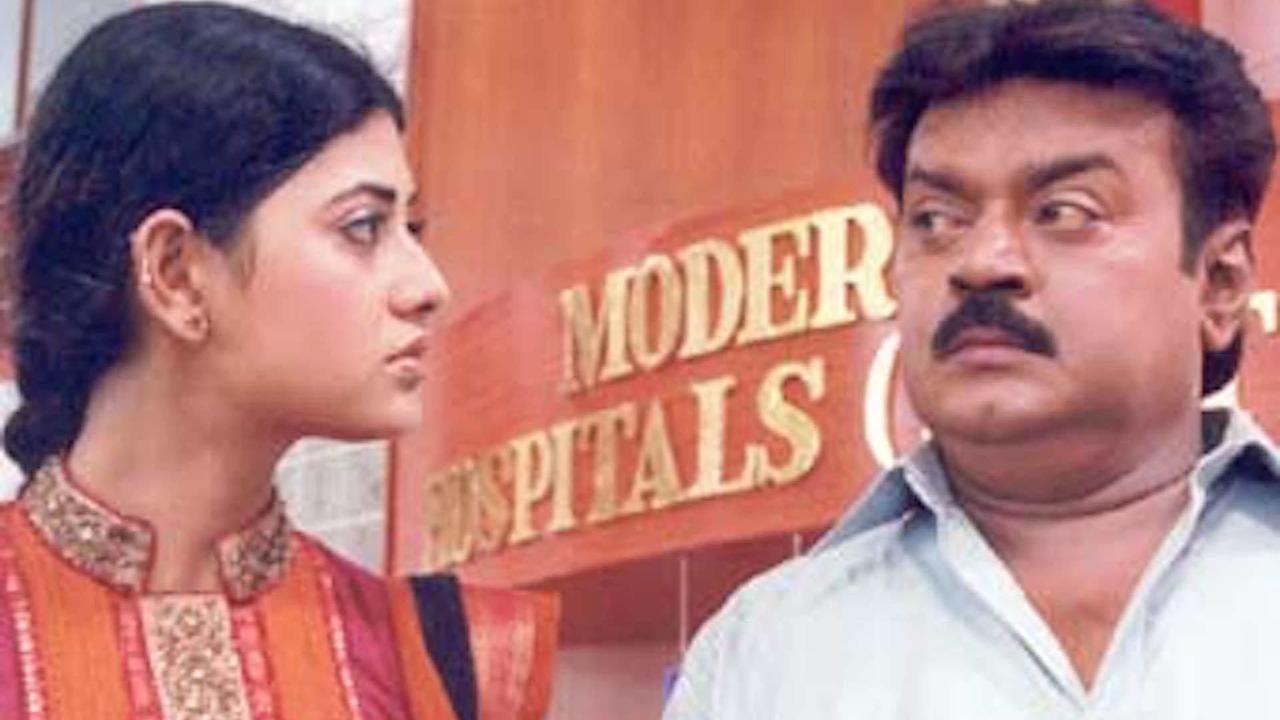
A professor leads a secret network that kidnaps and kills corrupt officials to shock society into reform.
Original language: Tamil
Culture Check verdict
How we rateMixed / Contested
High confidence · Reviewed 2026-10-08
The film’s anti-corruption and public-service concerns strongly support Social Dharma and institutional accountability.
Read the assessment & evidenceCultural framing · not a film-quality score
Why this verdict
The specific findings behind our assessment.
The film’s anti-corruption and public-service concerns strongly support Social Dharma and institutional accountability.
Extrajudicial killing is central to the method, producing a severe rule-of-law and Dharma conflict.
Noticed another scene? Tell us what happens and why it matters to Bharatiya values.
Reviewed 2026-10-08
Read our full editorial analysisWhat the film shows, its cultural framing, and why the verdict follows.
The story
Ramana directs anger at corruption toward public-service accountability. Its chosen method places extrajudicial killing at the centre of reform.
What matters in the film
The anti-corruption aim is substantial, but the killings are not peripheral. They are how the story makes its demand for change effective.
Culture Check reading
The cultural tension is between a legitimate wish for honest institutions and a method that bypasses the safeguards of justice. Public duty cannot be measured only by the popularity of its target.
The strongest opposing reading
Extreme action may dramatise frustration with failed recourse. That explanation does not make punitive authority accountable or restore the rule of law it displaces.
Why this verdict
Mixed credits the public-service concern while retaining a severe conflict between reform and extrajudicial punishment.
What this review does not claim
This analysis develops the film-specific published-source record. It does not claim independent full-film viewing, verified verbatim dialogue or knowledge of the filmmaker’s private intentions.
Supporting sources (1)
These sources support the analysis above. The cultural interpretation and verdict are Culture Check’s assessment.
- title-specific opened plot or critical evidence
Supports: The story; What matters in the film; Culture Check reading; The strongest opposing reading; Why this verdict
Open the full evidence dossier
Signal map, Narrative Integrity and 3 source notes.
Open the full evidence dossier
Signal map, Narrative Integrity and 3 source notes.
Bharatiya signal map
Context for the verdict, not a film-quality score.
Dharma
3/5
Civilization
3/5
Rashtra
2/5
Itihasa
2/5
Parampara
2/5
Local Roots
4/5
Raksha
3/5
Social Dharma
4/5
Sacred Regard
2/5
Contempt Risk
2/5
Narrative Integrity
What changed, what it may mean, and what we can prove.
Evidence trail
Source notes behind this review.
film · Wikipedia title discovery
Title/year, credited premise and publicly documented plot context for Ramana (2002) were checked as the baseline film record.
View sourcefilm · IMDb title discovery
Independent title/credits discovery was used to cross-check that the certification attaches to the intended 2002 film rather than a remake or namesake.
View sourcereview · title-specific opened plot or critical evidence
Opened contemporary review identifies systemic corruption and vigilante strategy; opened plot confirms ethical questioning and execution after refusing pardon.
View sourceCulture Check is a declared Bharatiya cultural signal, not a film-quality rating. Facts, interpretation and claims about intent are kept separate, and factual caveats do not automatically override the certification axis.
Editorial revision history
2 recorded reviews
Open
Editorial revision history
2 recorded reviews
Review 2
2026-10-08
Mixed / Contested
The film’s anti-corruption and public-service concerns strongly support Social Dharma and institutional accountability.
Review 1
2026-10-03
Mixed / Contested
The film’s anti-corruption and public-service concerns strongly support Social Dharma and institutional accountability.
About the film
The film.
A professor leads a secret network that kidnaps and kills corrupt officials to shock society into reform.
Keep exploring.
Return to discovery with your OTT filters and find another film.