
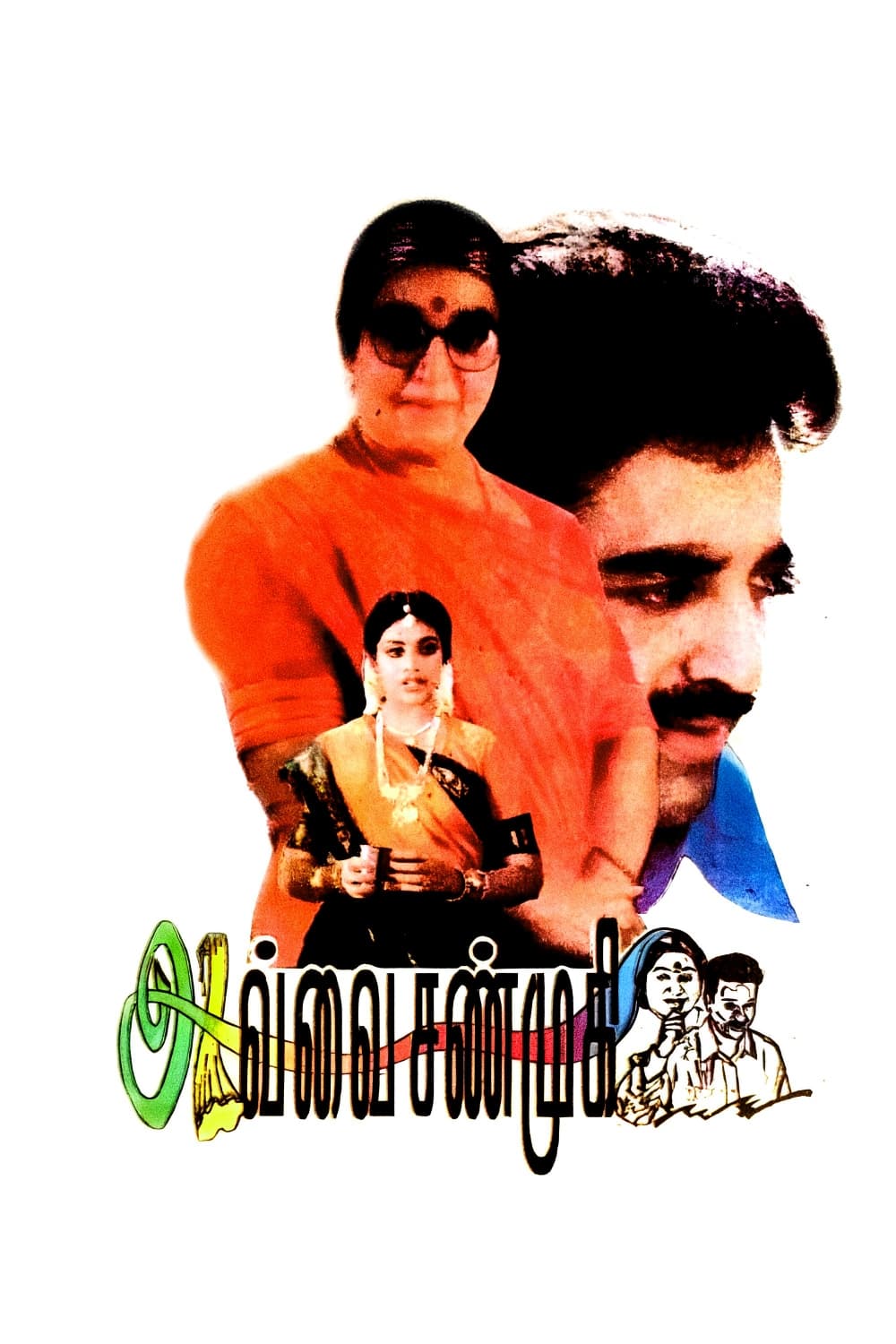
Avvai Shanmughi
After divorce separates Pandian from his daughter, he enters Janaki’s orthodox Brahmin household disguised as the elderly nanny Shanmughi. His friend Basha later enters as a supposedly mute Iyer cook. Childcare, mistaken attraction and deception drive the farce toward family reunion.
Original language: Tamil
Culture Check verdict
How we rateReviewed · Not Certified
Medium confidence · Reviewed 2026-10-11
Not Certified: the Gayatri-recitation test is staged as religious imposture comedy within a wider adverse portrayal of orthodox Brahmin authority. The positive father–daughter relationship and family reunion remain meaningful counter-evidence, but do not cancel this material sacred-regard and community-framing finding.
Read the assessment & evidenceCultural framing · not a film-quality score
Why this verdict
Does not meet Culture Check’s civilizational certification standard · Not a film-quality score
The specific findings behind our assessment.
Not Certified: the Gayatri-recitation test is staged as religious imposture comedy within a wider adverse portrayal of orthodox Brahmin authority. The positive father–daughter relationship and family reunion remain meaningful counter-evidence, but do not cancel this material sacred-regard and community-framing finding.
The adverse finding concerns the use of a sacred practice as a comic authentication prop, reinforced by the broader pattern of orthodox gatekeeping and discredited Iyer staff described by Tamil Labs. A Muslim character playing a Brahmin is not inherently an adverse finding; the framing of ritual and community competence is what matters.
The strongest counter-reading is that the joke exposes a bluffing impostor and credulous caste gatekeepers rather than attacking the mantra’s meaning. Pandian’s care for his daughter, the grandfather’s affection, eventual reconciliation and farce involving non-Brahmin Mudaliyar complicate a blanket hostility reading.
Noticed another scene? Tell us what happens and why it matters to Bharatiya values.
Reviewed 2026-10-11
Read our full editorial analysisWhat the film shows, its cultural framing, and why the verdict follows.
The story
After divorce separates Pandian from his daughter, he enters Janaki’s orthodox Brahmin household disguised as the elderly nanny Shanmughi. His friend Basha later enters as a supposedly mute Iyer cook. Childcare, mistaken attraction and deception drive the farce toward family reunion.
What the evidence shows
In the cook-hiring sequence, the household asks for Vedic knowledge and a Gayatri mantra. Basha’s assumed identity, exaggerated ritual gestures and the household’s approving response turn religious competence into an imposture comedy. The captions identify the test but omit the chant’s words.
At approximately 6:18–7:36, the clip’s captions establish the costume, accent problem and concealed identity. At 8:26–9:31, they establish the religious test and the household’s approval. Frames around 8:48–8:53 show exaggerated ritual gestures; the chant itself is not captured in the captions.
Culture Check reading
The adverse finding concerns the use of a sacred practice as a comic authentication prop, reinforced by the broader pattern of orthodox gatekeeping and discredited Iyer staff described by Tamil Labs. A Muslim character playing a Brahmin is not inherently an adverse finding; the framing of ritual and community competence is what matters.
Strongest counter-reading
The strongest counter-reading is that the joke exposes a bluffing impostor and credulous caste gatekeepers rather than attacking the mantra’s meaning. Pandian’s care for his daughter, the grandfather’s affection, eventual reconciliation and farce involving non-Brahmin Mudaliyar complicate a blanket hostility reading.
Verdict
Not Certified: the Gayatri-recitation test is staged as religious imposture comedy within a wider adverse portrayal of orthodox Brahmin authority. The positive father–daughter relationship and family reunion remain meaningful counter-evidence, but do not cancel this material sacred-regard and community-framing finding.
What this review does not claim
This is a bounded assessment of opened written sources, the supplied clip’s available translated captions and inspected frames. No full-film viewing or direct audio verification is claimed. Exact chant wording and the alleged caste-marked insult’s speaker or frequency remain unverified and are excluded from the verdict. Private filmmaker motives and organized propaganda are not established.
Supporting sources (3)
These sources support the analysis above. The cultural interpretation and verdict are Culture Check’s assessment.
- Wikipedia — Avvai Shanmugi, opened plot synopsis
Supports: The story; Strongest counter-reading; Verdict
- AP International — Nasser appointed as cook; inspected frames and available English captions, approximately 6:18–9:31
Supports: What the evidence shows; Culture Check reading; Strongest counter-reading; Verdict
- Tamil Labs — Decoding Dravidawood #4: Give us your daughters
Supports: Culture Check reading; Strongest counter-reading; Verdict
Open the full evidence dossier
Signal map, Narrative Integrity and 3 source notes.
Open the full evidence dossier
Signal map, Narrative Integrity and 3 source notes.
Bharatiya signal map
Context for the verdict, not a film-quality score.
Dharma
2/5
Parampara
2/5
Local Roots
4/5
Social Dharma
2/5
Sacred Regard
1/5
Contempt Risk
4/5
Narrative Integrity
What changed, what it may mean, and what we can prove.
Evidence trail
Source notes behind this review.
primary · AP International — Nasser appointed as cook; inspected frames and available English captions, approximately 6:18–9:31
Basha is coached to enter the Iyer household in Iyer costume and avoid speaking. Captions identify a Gayatri-recitation test; inspected frames show exaggerated ritual gestures. The household praises the performance and accepts the cook. The chant itself is not transcribed in the available captions.
View sourcereview · Tamil Labs — Decoding Dravidawood #4: Give us your daughters
The critic reads Janaki’s orthodox family, the misconduct of Iyer staff, and helpful Pasha’s disguised entry as a cumulative adverse community-framing pattern. This is an attributed editorial interpretation, not independently established private filmmaker intent.
View sourcereview · Wikipedia — Avvai Shanmugi, opened plot synopsis
Pandian adopts an elderly Iyer nanny disguise to regain access to his daughter after divorce. He rescues the child, brings Basha into the household as a mute Iyer cook, and ultimately reunites with Janaki. Both Vishwanathan Iyer and Mudaliyar are attracted to the disguised nanny.
View sourceCulture Check is a declared Bharatiya cultural signal, not a film-quality rating. Facts, interpretation and claims about intent are kept separate, and factual caveats do not automatically override the certification axis.
Editorial revision history
2 recorded reviews
Open
Editorial revision history
2 recorded reviews
Review 2
2026-10-11
Reviewed · Not Certified
Not Certified: the Gayatri-recitation test is staged as religious imposture comedy within a wider adverse portrayal of orthodox Brahmin authority. The positive father–daughter relationship and family reunion remain meaningful counter-evidence, but do not cancel this material sacred-regard and community-framing finding.
Review 1
2026-10-03
Mixed / Contested
The emotional goal is restoration of family responsibility and paternal presence, and the film values care across generations.
About the film
The film.
After divorce separates Pandian from his daughter, he enters Janaki’s orthodox Brahmin household disguised as the elderly nanny Shanmughi. His friend Basha later enters as a supposedly mute Iyer cook. Childcare, mistaken attraction and deception drive the farce toward family reunion.
Keep exploring.
Return to discovery with your OTT filters and find another film.