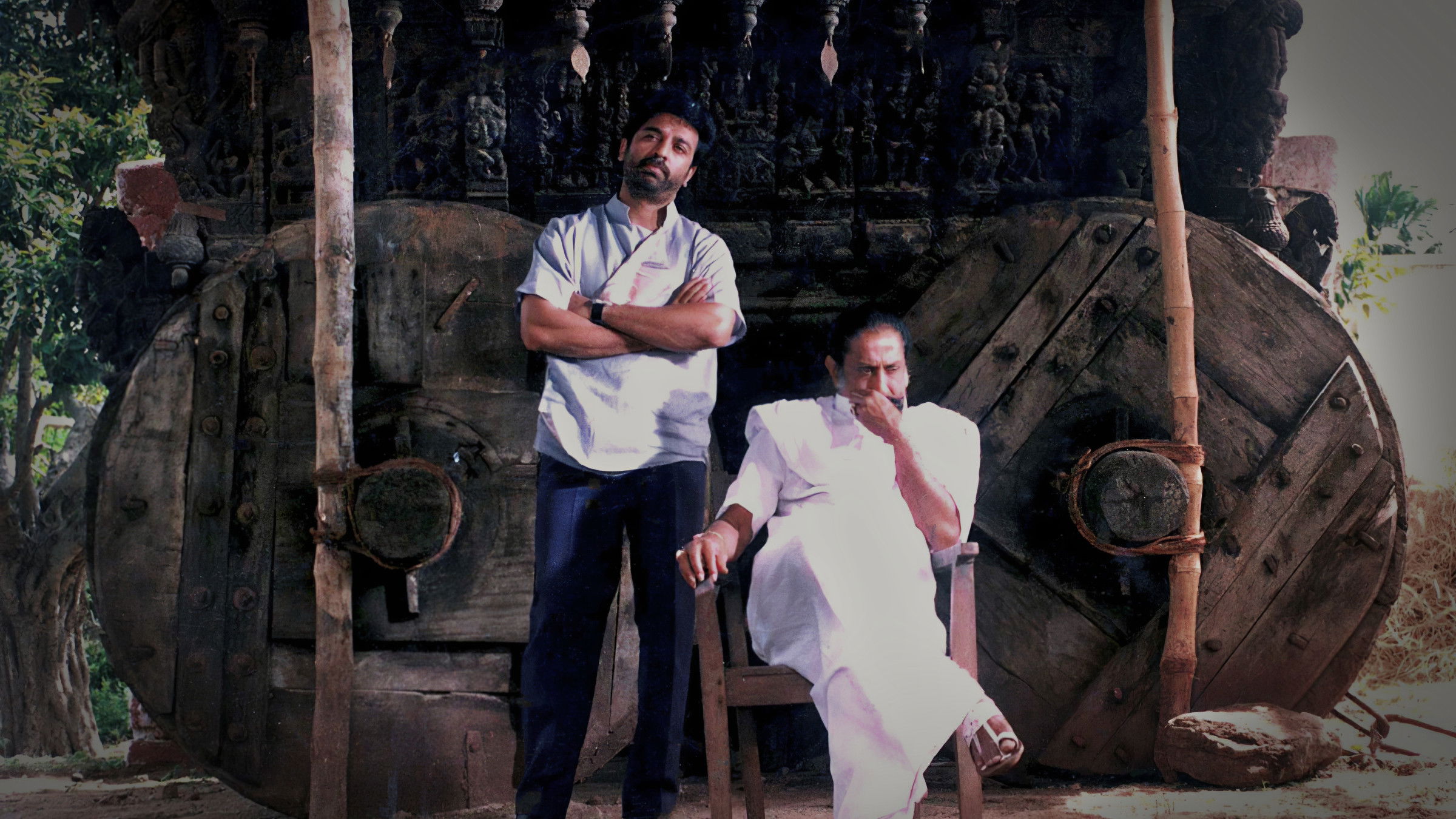
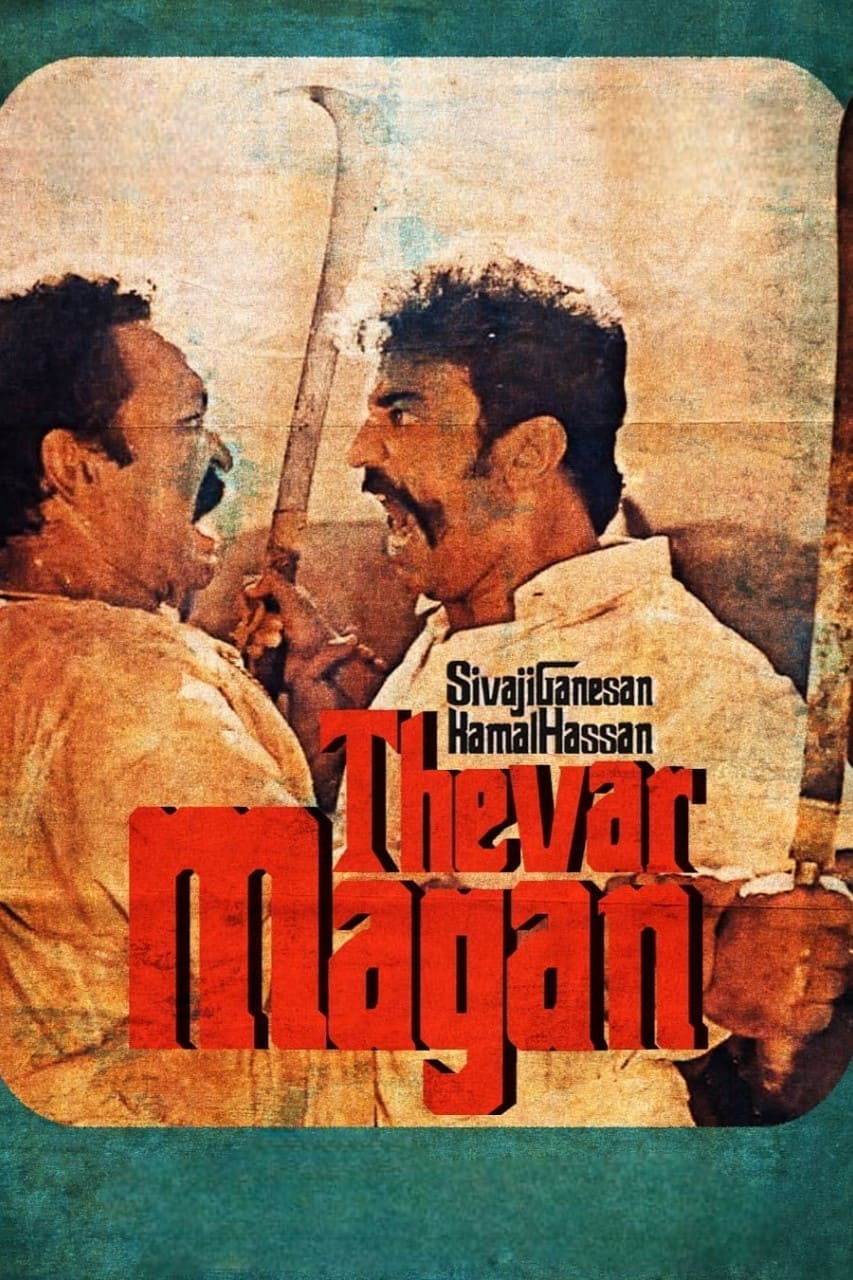
Thevar Magan
An educated man returns to his village and is pulled into hereditary leadership, caste-coded conflict and violence.
Original language: Tamil
Culture Check verdict
How we rateMixed / Contested
High confidence · Reviewed 2026-10-08
Duty to village, family continuity and local responsibility are central and treated with seriousness.
Read the assessment & evidenceCultural framing · not a film-quality score
Why this verdict
The specific findings behind our assessment.
Duty to village, family continuity and local responsibility are central and treated with seriousness.
The caste-feudal order also produces destructive hierarchy and violence, making the Parampara signal materially conflicted.
Noticed another scene? Tell us what happens and why it matters to Bharatiya values.
Reviewed 2026-10-08
Read our full editorial analysisWhat the film shows, its cultural framing, and why the verdict follows.
The story
Thevar Magan treats village duty and family continuity seriously within a caste-feudal order. Inherited rivalry and temple honour repeatedly lead to violence.
What matters in the film
Internal reform and surrender are meaningful counterweights. Their presence does not remove the accumulated harm produced by status and rivalry.
Culture Check reading
The positive claim is that inheritance should create responsibility to others. The central tension is that the same inheritance can demand the defence of hierarchy and perpetuate conflict.
The strongest opposing reading
A community capable of correction is not simply condemned as irredeemable. Yet the eventual corrective action cannot make the preceding violence an uncomplicated expression of tradition.
Why this verdict
Mixed recognises local duty and meaningful reform alongside the destructive order from which the protagonist inherits authority.
What this review does not claim
This draft develops a secondary plot account. It is not independently corroborated completed-film criticism and does not clear the existing evidence hold. Full-film viewing and verified dialogue are not claimed.
Supporting sources (1)
These sources support the analysis above. The cultural interpretation and verdict are Culture Check’s assessment.
- title-specific opened plot or critical evidence
Supports: The story; What matters in the film; Culture Check reading; The strongest opposing reading; Why this verdict
Open the full evidence dossier
Signal map, Narrative Integrity and 3 source notes.
Open the full evidence dossier
Signal map, Narrative Integrity and 3 source notes.
Bharatiya signal map
Context for the verdict, not a film-quality score.
Dharma
3/5
Civilization
3/5
Rashtra
2/5
Itihasa
2/5
Parampara
2/5
Local Roots
4/5
Raksha
3/5
Social Dharma
4/5
Sacred Regard
2/5
Contempt Risk
2/5
Narrative Integrity
What changed, what it may mean, and what we can prove.
Evidence trail
Source notes behind this review.
film · Wikipedia title discovery
Title/year, credited premise and publicly documented plot context for Thevar Magan (1992) were checked as the baseline film record.
View sourcefilm · IMDb title discovery
Independent title/credits discovery was used to cross-check that the certification attaches to the intended 1992 film rather than a remake or namesake.
View sourcereview · title-specific opened plot or critical evidence
Opened plot documents temple-access conflict, honour marriage, retaliatory deaths and the hero’s protection of innocents and surrender.
View sourceCulture Check is a declared Bharatiya cultural signal, not a film-quality rating. Facts, interpretation and claims about intent are kept separate, and factual caveats do not automatically override the certification axis.
Editorial revision history
3 recorded reviews
Open
Editorial revision history
3 recorded reviews
Review 3
2026-10-08
Mixed / Contested
Duty to village, family continuity and local responsibility are central and treated with seriousness.
Review 2
2026-10-03
Mixed / Contested
Duty to village, family continuity and local responsibility are central and treated with seriousness.
Review 1
2026-10-03
Mixed / Contested
The film is deeply rooted in southern Tamil village life, kinship, land, honour and inherited responsibility, giving it substantial Local Roots and Parampara signal.
About the film
The film.
An educated man returns to his village and is pulled into hereditary leadership, caste-coded conflict and violence.
Keep exploring.
Return to discovery with your OTT filters and find another film.