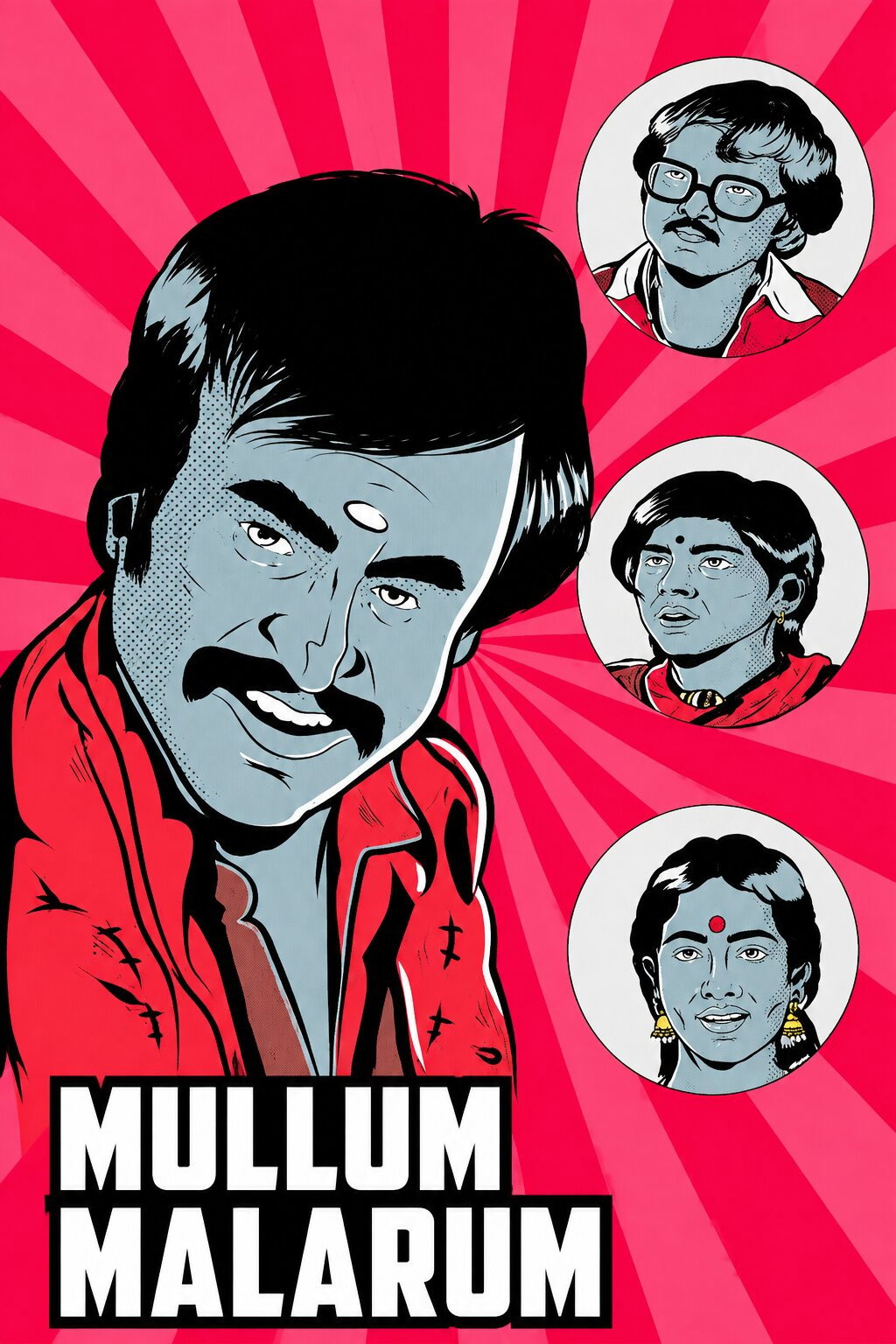
Mullum Malarum
A fiercely proud winch operator struggles with authority, injury and his protective bond with his sister.
Original language: Tamil
Culture Check verdict
How we rateMixed / Contested
High confidence · Reviewed 2026-10-08
Dignity of labour, sibling responsibility and self-respect form the film’s moral spine, strongly supporting Dharma and Local Roots.
Read the assessment & evidenceCultural framing · not a film-quality score
Why this verdict
The specific findings behind our assessment.
Dignity of labour, sibling responsibility and self-respect form the film’s moral spine, strongly supporting Dharma and Local Roots.
Editorial review: Kali’s care and labour dignity coexist with repeated violence against Manga and control of Valli’s marriage. The ending restores his sense of priority over his sister before he consents, so it cannot simply be called the correction of destructive pride. Manga’s firm resistance, Valli’s choices and Kumaran’s differentiated conduct have real narrative weight and bound fail. Caution changes Certified to Mixed on the unresolved familial-authority burden, while sacred wedding settings are not blamed for Kali’s aggression. The Uma Chandran source novel is recorded.
Noticed another scene? Tell us what happens and why it matters to Bharatiya values.
Reviewed 2026-10-08
Read our full editorial analysisWhat the film shows, its cultural framing, and why the verdict follows.
The story
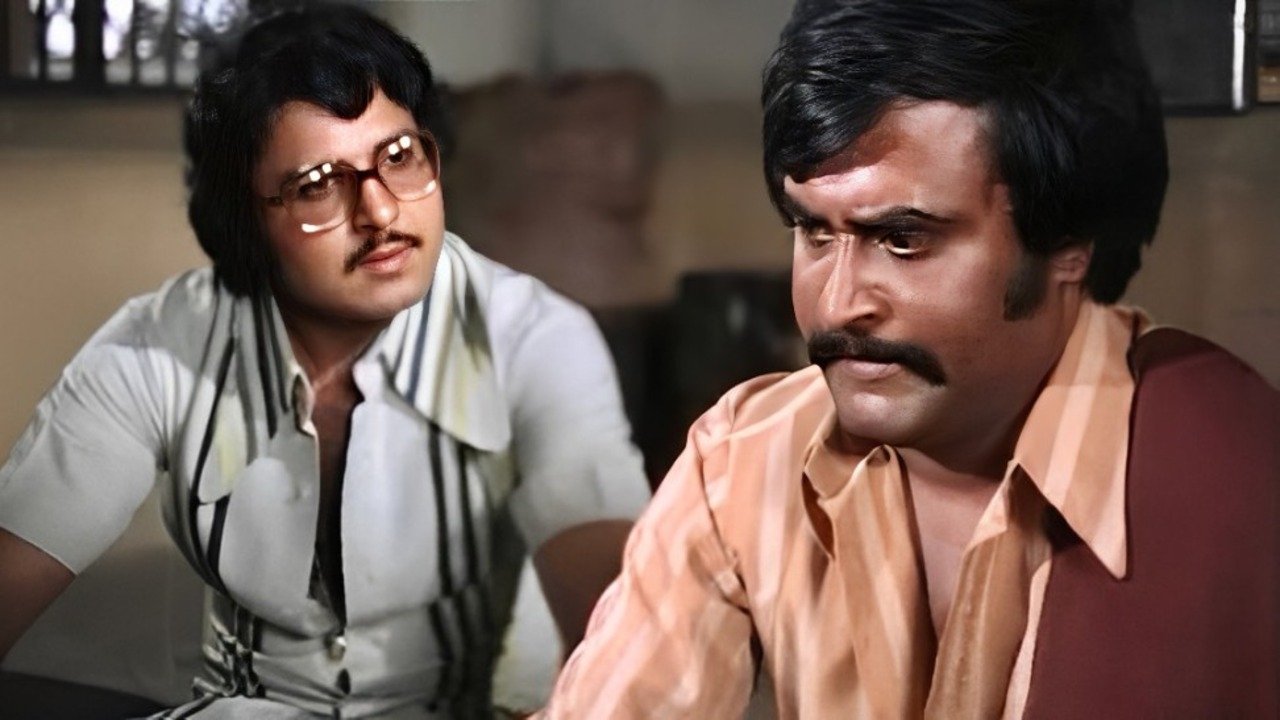
Mullum Malarum links Kali’s labour dignity and care for Valli to destructive pride. His control of her marriage and violence toward Manga complicate the sibling-duty story.
What matters in the film
Manga’s resistance, Valli’s choices and Kumaran’s differentiated conduct all have weight. Kali’s final consent follows restoration of his sense of priority, so it is not a complete correction of authority.
Culture Check reading
Protective affection becomes contested when another person’s future must affirm the protector’s status. Labour self-respect cannot excuse violence or control inside the household.
The strongest opposing reading
The women’s agency gives the inherited world meaningful internal challenge. Sacred wedding settings are not blamed for Kali’s aggression, but their presence does not resolve it either.
Why this verdict
Mixed credits work and care while retaining the unresolved burden of male priority and domestic violence.
What this review does not claim
This draft develops a secondary plot account. It is not independently corroborated completed-film criticism and does not clear the existing evidence hold. Full-film viewing and verified dialogue are not claimed.
Supporting sources (1)
These sources support the analysis above. The cultural interpretation and verdict are Culture Check’s assessment.
- title-specific opened plot or critical evidence
Supports: The story; What matters in the film; Culture Check reading; The strongest opposing reading; Why this verdict
Open the full evidence dossier
Signal map, Narrative Integrity and 3 source notes.
Open the full evidence dossier
Signal map, Narrative Integrity and 3 source notes.
Bharatiya signal map
Context for the verdict, not a film-quality score.
Dharma
4/5
Civilization
4/5
Rashtra
3/5
Itihasa
2/5
Parampara
4/5
Local Roots
4/5
Raksha
3/5
Social Dharma
4/5
Sacred Regard
4/5
Contempt Risk
0/5
Narrative Integrity
What changed, what it may mean, and what we can prove.
Evidence trail
Source notes behind this review.
film · Wikipedia title discovery
Title/year, credited premise and publicly documented plot context for Mullum Malarum (1978) were checked as the baseline film record.
View sourcefilm · IMDb title discovery
Independent title/credits discovery was used to cross-check that the certification attaches to the intended 1978 film rather than a remake or namesake.
View sourcereview · title-specific opened plot or critical evidence
Opened plot documents repeated spousal assault, coerced alternative marriage and consent conditional on restored male pride.
View sourceCulture Check is a declared Bharatiya cultural signal, not a film-quality rating. Facts, interpretation and claims about intent are kept separate, and factual caveats do not automatically override the certification axis.
Editorial revision history
2 recorded reviews
Open
Editorial revision history
2 recorded reviews
Review 2
2026-10-08
Mixed / Contested
Dignity of labour, sibling responsibility and self-respect form the film’s moral spine, strongly supporting Dharma and Local Roots.
Review 1
2026-10-03
Sanghi Certified
Dignity of labour, sibling responsibility and self-respect form the film’s moral spine, strongly supporting Dharma and Local Roots.
About the film
The film.
A fiercely proud winch operator struggles with authority, injury and his protective bond with his sister.
Keep exploring.
Return to discovery with your OTT filters and find another film.