
Hellaro
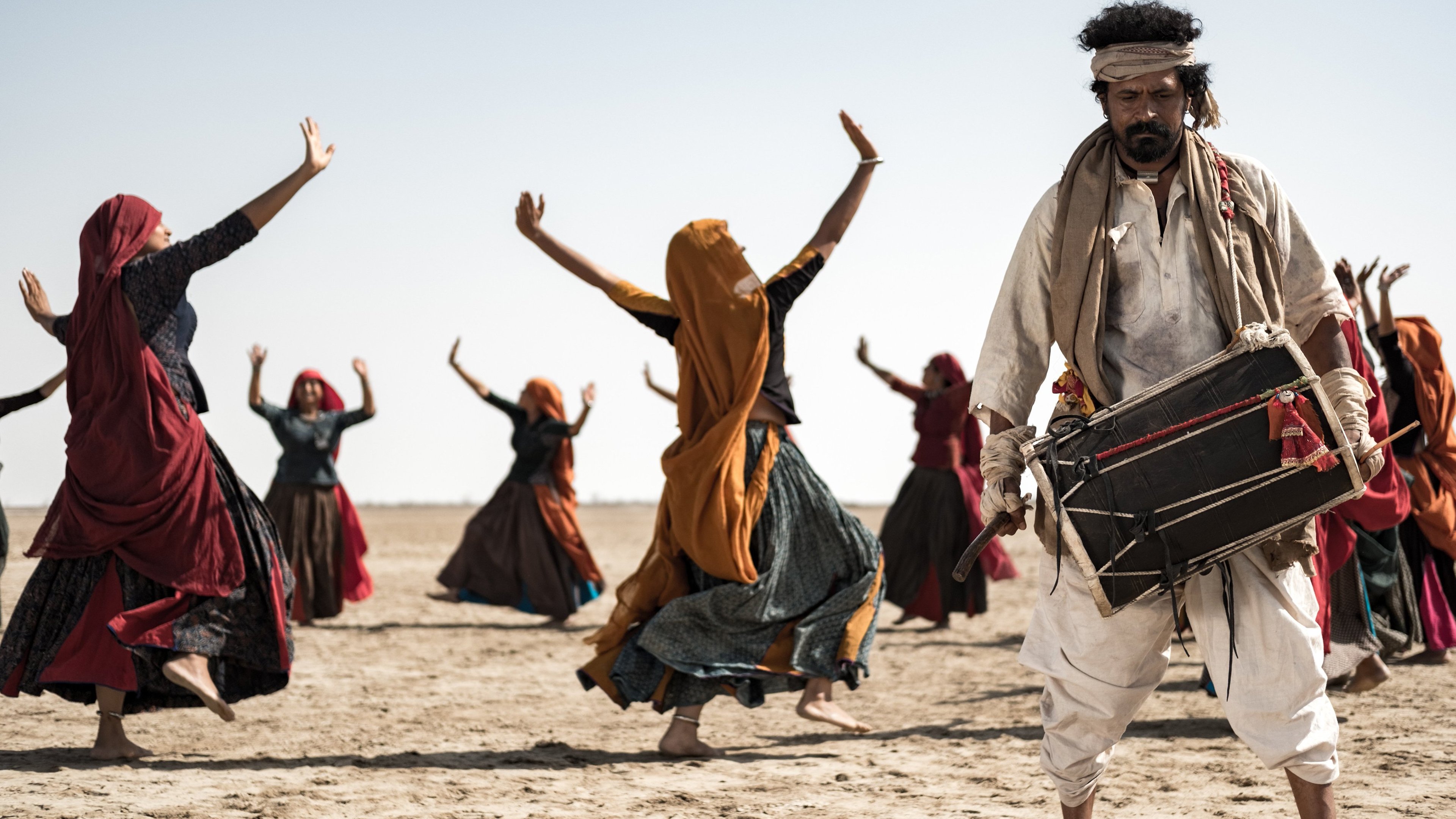
A Gujarati folktale-derived drama set in 1975 Kutch where women forbidden from garba discover collective freedom and self-expression through dance.
Original language: gu
Culture Check verdict
How we rateSanghi Certified
High confidence · Reviewed 2026-10-05
The film turns garba — a deeply Gujarati cultural form with devotional associations — into a language of dignity, joy and women’s self-expression rather than rejecting local culture in order to criticize patriarchy.
Read the assessment & evidenceCultural framing · not a film-quality score
Why this verdict
Called an insult. Worn as a badge.
The specific findings behind our assessment.
The film turns garba — a deeply Gujarati cultural form with devotional associations — into a language of dignity, joy and women’s self-expression rather than rejecting local culture in order to criticize patriarchy.
Its target is a village power structure that forbids women from dancing while invoking a female deity, not Gujarati or Hindu identity as a community; reform is expressed through the culture’s own music, dance and folktale vocabulary.
Noticed another scene? Tell us what happens and why it matters to Bharatiya values.
Reviewed 2026-10-05
Open the full evidence dossier
Signal map, Narrative Integrity and 2 source notes.
Open the full evidence dossier
Signal map, Narrative Integrity and 2 source notes.
Bharatiya signal map
Context for the verdict, not a film-quality score.
Dharma
5/5
Civilization
5/5
Rashtra
1/5
Itihasa
2/5
Parampara
4/5
Local Roots
5/5
Raksha
3/5
Social Dharma
5/5
Sacred Regard
3/5
Contempt Risk
1/5
Narrative Integrity
What changed, what it may mean, and what we can prove.
Evidence trail
Source notes behind this review.
interview · Indian Express — importance of garba in Hellaro
Explains that the National Award-winning film adapts a Kutchi folktale and uses garba to explore women’s suppression and self-expression while remaining deliberately rooted in Gujarati life and culture.
View sourcereview · Times of India — Hellaro review
Describes the film as a Kutch-set story of women breaking free from patriarchal suppression through the dhol and garba.
View sourceCulture Check is a declared Bharatiya cultural signal, not a film-quality rating. Facts, interpretation and claims about intent are kept separate, and factual caveats do not automatically override the certification axis.
Editorial revision history
3 recorded reviews
Open
Editorial revision history
3 recorded reviews
Review 3
2026-10-05
Sanghi Certified
The film turns garba — a deeply Gujarati cultural form with devotional associations — into a language of dignity, joy and women’s self-expression rather than rejecting local culture in order to criticize patriarchy.
Review 2
2026-10-03
Sanghi Certified
The film turns garba — a deeply Gujarati cultural form with devotional associations — into a language of dignity, joy and women’s self-expression rather than rejecting local culture in order to criticize patriarchy.
Review 1
2026-10-03
Sanghi Certified
The film’s women resist patriarchal restrictions through garba itself, making a Gujarati folk and devotional form the language of freedom rather than depicting liberation as escape from Gujarati culture.
About the film
The film.
A Gujarati folktale-derived drama set in 1975 Kutch where women forbidden from garba discover collective freedom and self-expression through dance.
Keep exploring.
Return to discovery with your OTT filters and find another film.