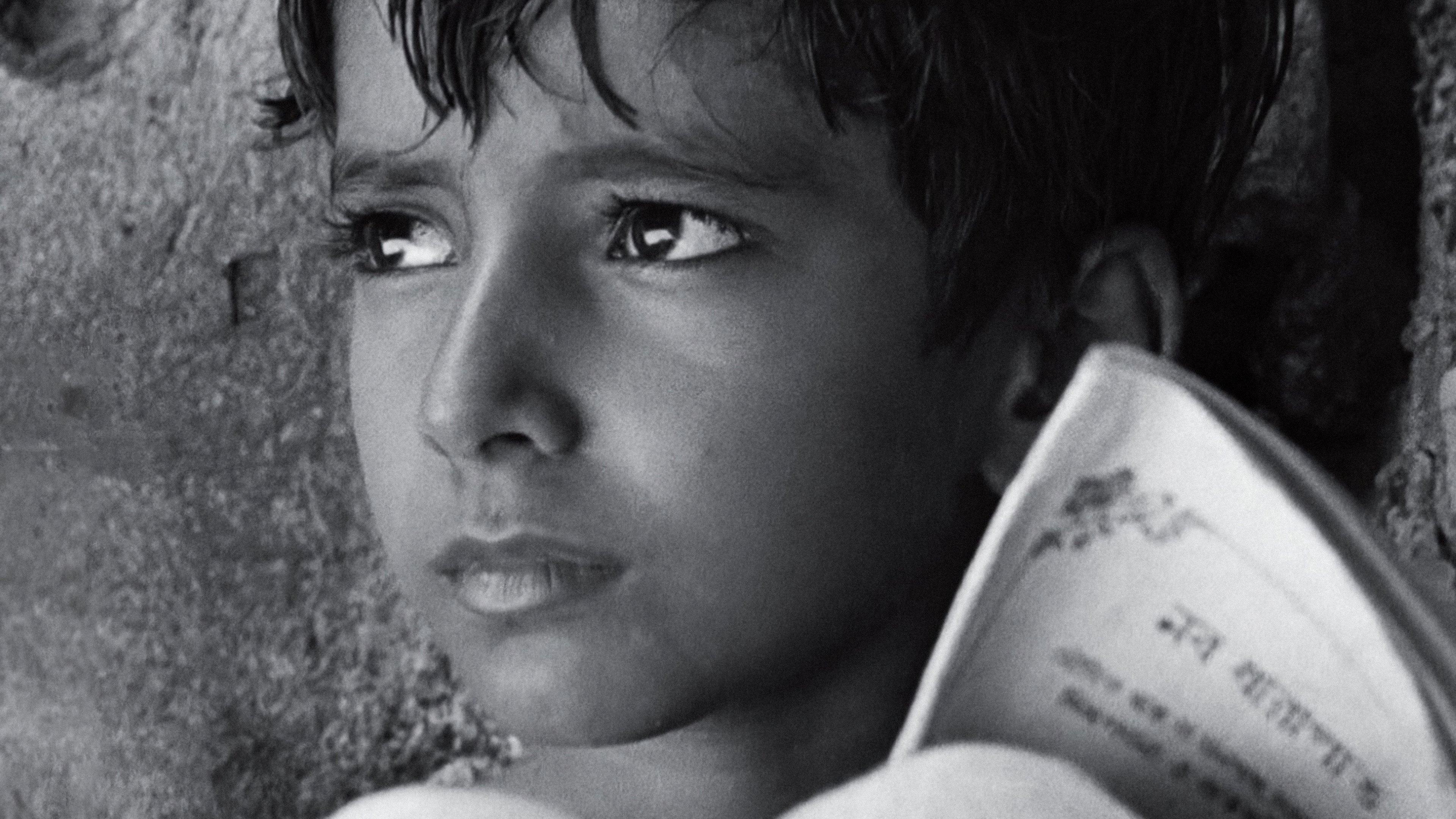
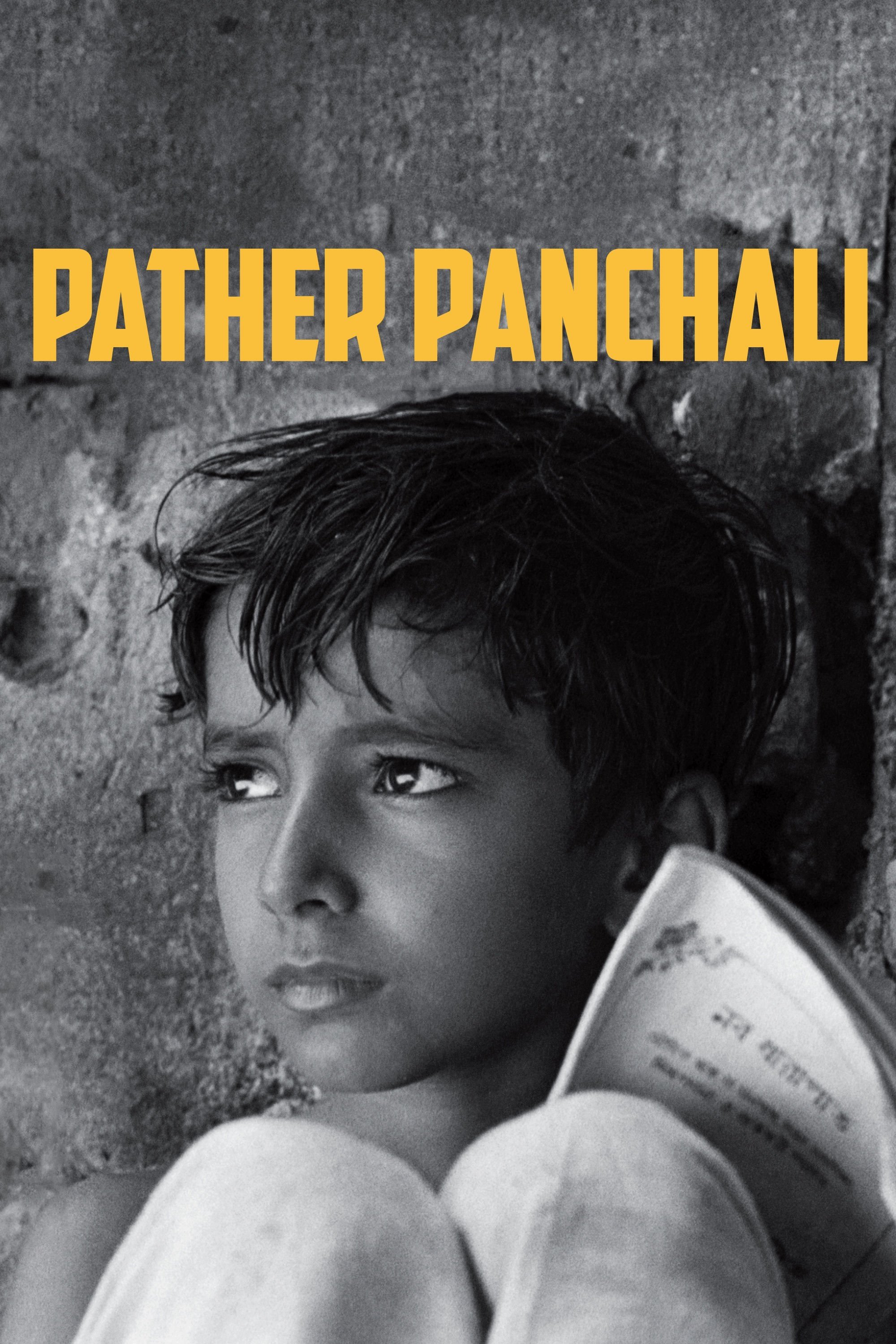
Pather Panchali
Ray’s adaptation of Bibhutibhushan Bandyopadhyay’s novel, following an impoverished Bengali Brahmin family through childhood, loss and rural everyday life.
Original language: bn
Culture Check verdict
How we rateSanghi Certified
High confidence · Reviewed 2026-10-05
The film inhabits rural Bengali family life, landscape, poverty, aspiration and inherited social rhythms with extraordinary specificity rather than using the village as an abstract symbol of a backward India.
Read the assessment & evidenceCultural framing · not a film-quality score
Why this verdict
Called an insult. Worn as a badge.
The specific findings behind our assessment.
The film inhabits rural Bengali family life, landscape, poverty, aspiration and inherited social rhythms with extraordinary specificity rather than using the village as an abstract symbol of a backward India.
The long-standing criticism that it exposed Indian poverty for Western consumption is directly countered by Ray’s own insistence that the poverty is shown ruthlessly rather than prettified, and by the film’s intimate insider attention to family life.
Noticed another scene? Tell us what happens and why it matters to Bharatiya values.
Reviewed 2026-10-05
Open the full evidence dossier
Signal map, Narrative Integrity and 3 source notes.
Open the full evidence dossier
Signal map, Narrative Integrity and 3 source notes.
Bharatiya signal map
Context for the verdict, not a film-quality score.
Dharma
3/5
Civilization
5/5
Rashtra
1/5
Itihasa
4/5
Parampara
4/5
Local Roots
5/5
Raksha
1/5
Social Dharma
5/5
Sacred Regard
2/5
Contempt Risk
0/5
Narrative Integrity
What changed, what it may mean, and what we can prove.
Evidence trail
Source notes behind this review.
official · Satyajit Ray Org — Pather Panchali
The Ray archive identifies the film as an adaptation of Bibhutibhushan Bandyopadhyay and documents its rural Bengali family setting and production history.
View sourceinterview · Satyajit Ray Org — Ray on Ray
Ray directly rejects the claim that he romanticized poverty and explains the harsh family behavior and material deprivation he deliberately showed.
View sourcereview · BFI — Pather Panchali
The BFI record notes both the film’s stature and the criticism from some Indians that it highlighted poverty for Western eyes.
View sourceCulture Check is a declared Bharatiya cultural signal, not a film-quality rating. Facts, interpretation and claims about intent are kept separate, and factual caveats do not automatically override the certification axis.
Editorial revision history
2 recorded reviews
Open
Editorial revision history
2 recorded reviews
Review 2
2026-10-05
Sanghi Certified
The film inhabits rural Bengali family life, landscape, poverty, aspiration and inherited social rhythms with extraordinary specificity rather than using the village as an abstract symbol of a backward India.
Review 1
2026-10-03
Sanghi Certified
The film inhabits rural Bengali family life, landscape, poverty, aspiration and inherited social rhythms with extraordinary specificity rather than using the village as an abstract symbol of a backward India.
About the film
The film.
Ray’s adaptation of Bibhutibhushan Bandyopadhyay’s novel, following an impoverished Bengali Brahmin family through childhood, loss and rural everyday life.
Keep exploring.
Return to discovery with your OTT filters and find another film.