source fidelitysupported
The film makes acknowledged changes while adapting Vekkai.
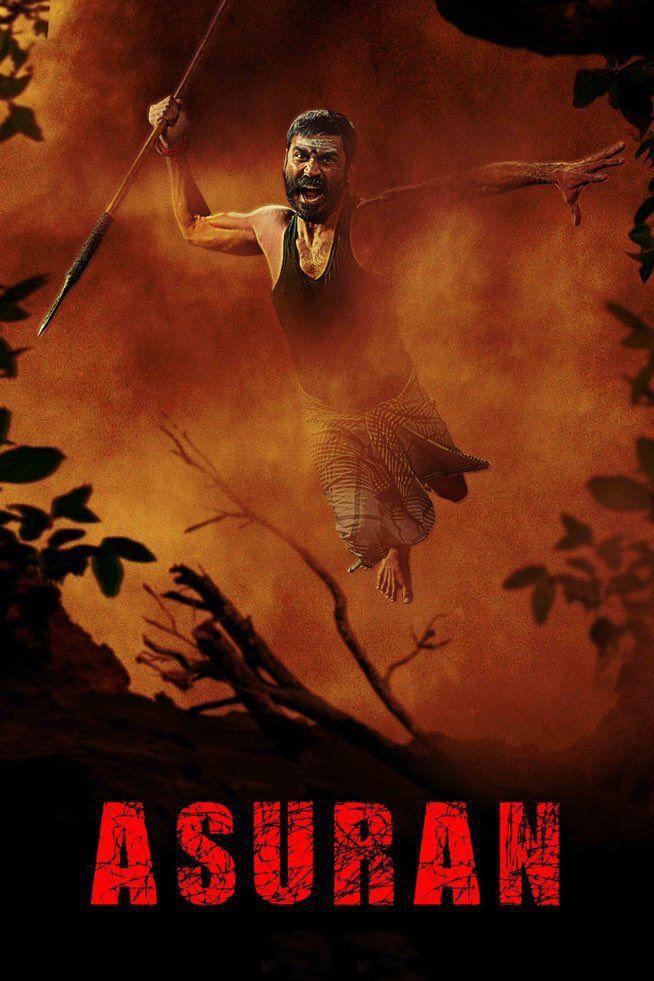
A violent rural Tamil drama adapted from Poomani’s novel Vekkai, centred on a landholding conflict, caste oppression and a father trying to keep his son alive.
Original language: Tamil
Culture Check verdict
How we rateMixed / Contested
High confidence · Reviewed 2026-10-08
The film is deeply rooted in Tamil land, family, labour and survival and treats protection of children and dignity against entrenched violence as serious moral obligations.
Read the assessment & evidenceCultural framing · not a film-quality score
The specific findings behind our assessment.
The film is deeply rooted in Tamil land, family, labour and survival and treats protection of children and dignity against entrenched violence as serious moral obligations.
Its caste-oppression narrative is not anti-Hindu merely because it is severe, but the film’s social world is intentionally accusatory toward inherited hierarchy; that produces a strong Social Dharma signal alongside a contested civilizational valence, hence Mixed.
Noticed another scene? Tell us what happens and why it matters to Bharatiya values.
Reviewed 2026-10-08
Asuran ties family protection to land, labour and survival under entrenched caste violence. Children’s safety and dignity give its resistance concrete moral stakes.
The accusatory account of inherited hierarchy is central to the social world. Its severity should not automatically be equated with an attack on Hindu belief.
The affirmative element is the obligation to protect life against domination. The cultural tension concerns how adaptation, violence and class-caste framing distribute blame and agency.
Historically resonant oppression can be represented forcefully without reducing all people to a moral type. The risk of simplification still needs to be preserved alongside the family’s claim to safety.
Mixed recognises deeply rooted protection and dignity while retaining the contested framing of hierarchy and violence.
This analysis develops the film-specific published-source record. It does not claim independent full-film viewing, verified verbatim dialogue or knowledge of the filmmaker’s private intentions.
These sources support the analysis above. The cultural interpretation and verdict are Culture Check’s assessment.
Supports: The story; What matters in the film; Culture Check reading; The strongest opposing reading; Why this verdict
Supports: The story; What matters in the film; Culture Check reading; The strongest opposing reading; Why this verdict
Open the full evidence dossier
Signal map, Narrative Integrity and 2 source notes.
Bharatiya signal map
Context for the verdict, not a film-quality score.
Dharma
4/5
Civilization
3/5
Rashtra
2/5
Itihasa
3/5
Parampara
2/5
Local Roots
5/5
Raksha
4/5
Social Dharma
5/5
Sacred Regard
1/5
Contempt Risk
2/5
Narrative Integrity
The film makes acknowledged changes while adapting Vekkai.
Evidence trail
Source notes behind this review.
interview · Cinema Express — Dhanush on Asuran
Confirms the film adapts Poomani’s Vekkai and discusses changes required between novel and cinema.
View sourcereview · Times of India — Asuran review
Identifies caste, class, land and family protection as core elements of the film.
View sourceCulture Check is a declared Bharatiya cultural signal, not a film-quality rating. Facts, interpretation and claims about intent are kept separate, and factual caveats do not automatically override the certification axis.
Editorial revision history
2 recorded reviews
Review 2
2026-10-08
Mixed / Contested
The film is deeply rooted in Tamil land, family, labour and survival and treats protection of children and dignity against entrenched violence as serious moral obligations.
Review 1
2026-10-03
Mixed / Contested
The film is deeply rooted in Tamil land, family, labour and survival and treats protection of children and dignity against entrenched violence as serious moral obligations.
About the film
A violent rural Tamil drama adapted from Poomani’s novel Vekkai, centred on a landholding conflict, caste oppression and a father trying to keep his son alive.
Keep exploring.
Return to discovery with your OTT filters and find another film.