Do Bigha Zamin
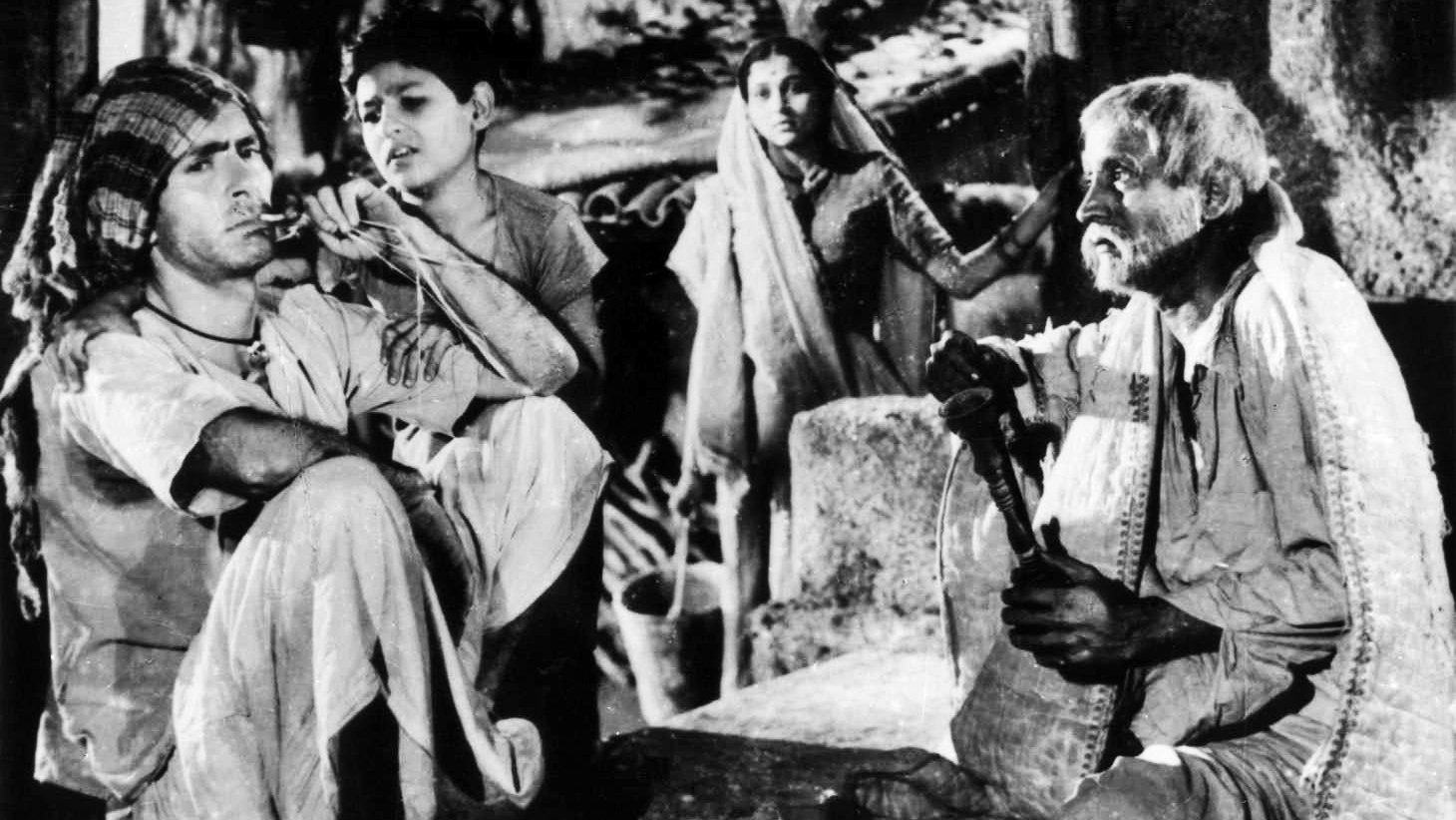
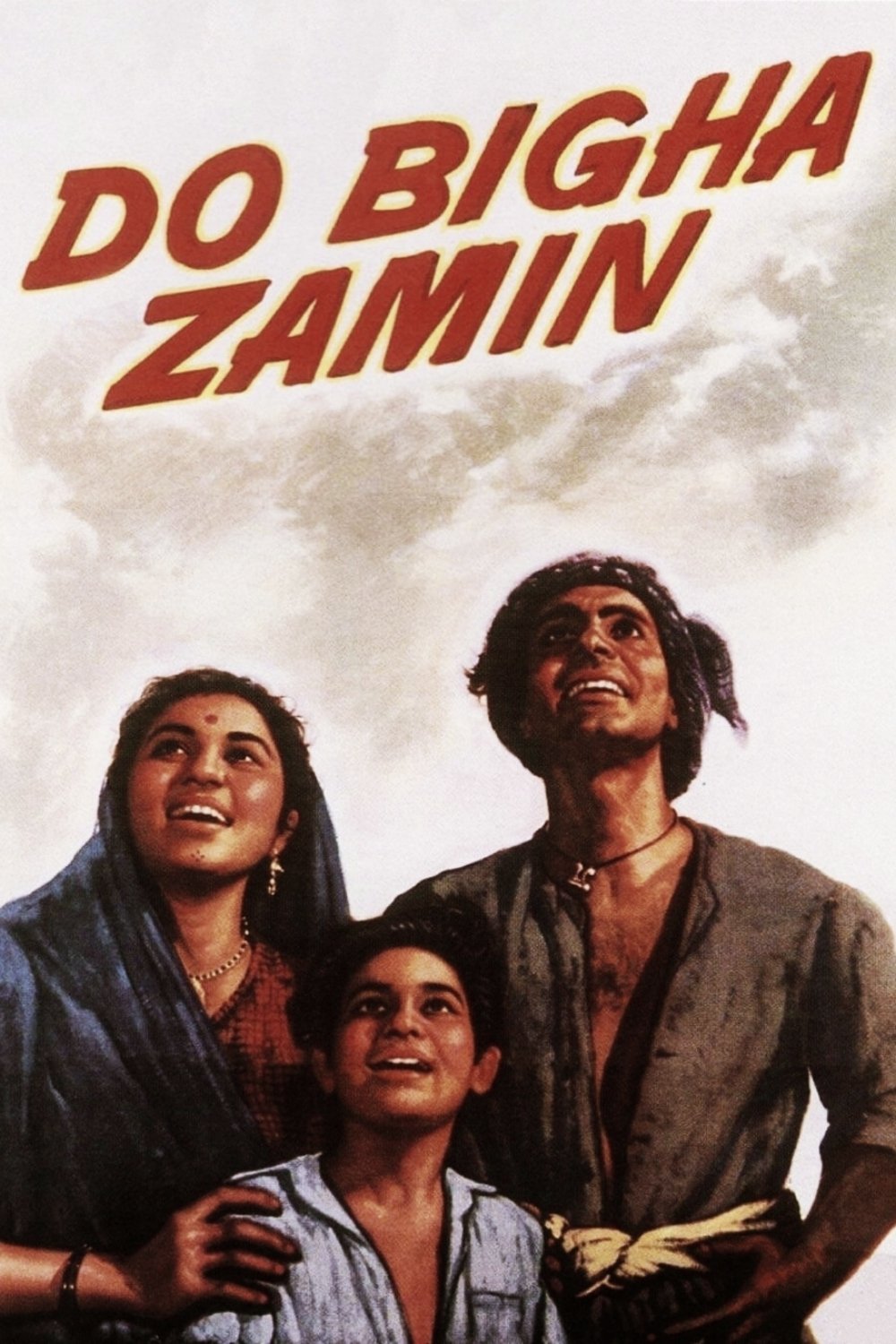
A debt-ridden peasant family struggles to retain ancestral land while confronting urban exploitation and displacement.
Original language: Hindi
Culture Check verdict
How we rateMixed / Contested
High confidence · Reviewed 2026-10-08
Its moral center is duty to family, dignity of labour and attachment to ancestral land, giving it strong Social Dharma and Local Roots alignment.
Read the assessment & evidenceCultural framing · not a film-quality score
Why this verdict
The specific findings behind our assessment.
Its moral center is duty to family, dignity of labour and attachment to ancestral land, giving it strong Social Dharma and Local Roots alignment.
Editorial review: Landlord-accountant fraud, failed court protection and urban predation repeatedly destroy the family’s livelihood. The tea vendor, landlady, rickshaw puller and fellow child worker offer consequential local assistance, bounding a collective fail. Caution changes Certified to Mixed: those resources cannot save the land, and the final denial of even its soil remains cumulative structural defeat. Shambhu’s violence toward his son and the child’s divine-punishment explanation qualify idealized familial virtue. Care for the injured mother has actual priority, but displacement is not reversed by honest labour.
Noticed another scene? Tell us what happens and why it matters to Bharatiya values.
Reviewed 2026-10-08
Open the full evidence dossier
Signal map, Narrative Integrity and 3 source notes.
Open the full evidence dossier
Signal map, Narrative Integrity and 3 source notes.
Bharatiya signal map
Context for the verdict, not a film-quality score.
Dharma
4/5
Civilization
4/5
Rashtra
3/5
Itihasa
2/5
Parampara
4/5
Local Roots
4/5
Raksha
3/5
Social Dharma
4/5
Sacred Regard
4/5
Contempt Risk
0/5
Narrative Integrity
What changed, what it may mean, and what we can prove.
Evidence trail
Source notes behind this review.
film · Wikipedia title discovery
Title/year, credited premise and publicly documented plot context for Do Bigha Zamin (1953) were checked as the baseline film record.
View sourcefilm · IMDb title discovery
Independent title/credits discovery was used to cross-check that the certification attaches to the intended 1953 film rather than a remake or namesake.
View sourcereview · title-specific opened plot or critical evidence
Opened complete plot weighs debt fraud, differentiated urban help, medical sacrifice and irreversible land dispossession.
View sourceCulture Check is a declared Bharatiya cultural signal, not a film-quality rating. Facts, interpretation and claims about intent are kept separate, and factual caveats do not automatically override the certification axis.
Editorial revision history
2 recorded reviews
Open
Editorial revision history
2 recorded reviews
Review 2
2026-10-08
Mixed / Contested
Its moral center is duty to family, dignity of labour and attachment to ancestral land, giving it strong Social Dharma and Local Roots alignment.
Review 1
2026-10-03
Sanghi Certified
Its moral center is duty to family, dignity of labour and attachment to ancestral land, giving it strong Social Dharma and Local Roots alignment.
About the film
The film.
A debt-ridden peasant family struggles to retain ancestral land while confronting urban exploitation and displacement.
Keep exploring.
Return to discovery with your OTT filters and find another film.