
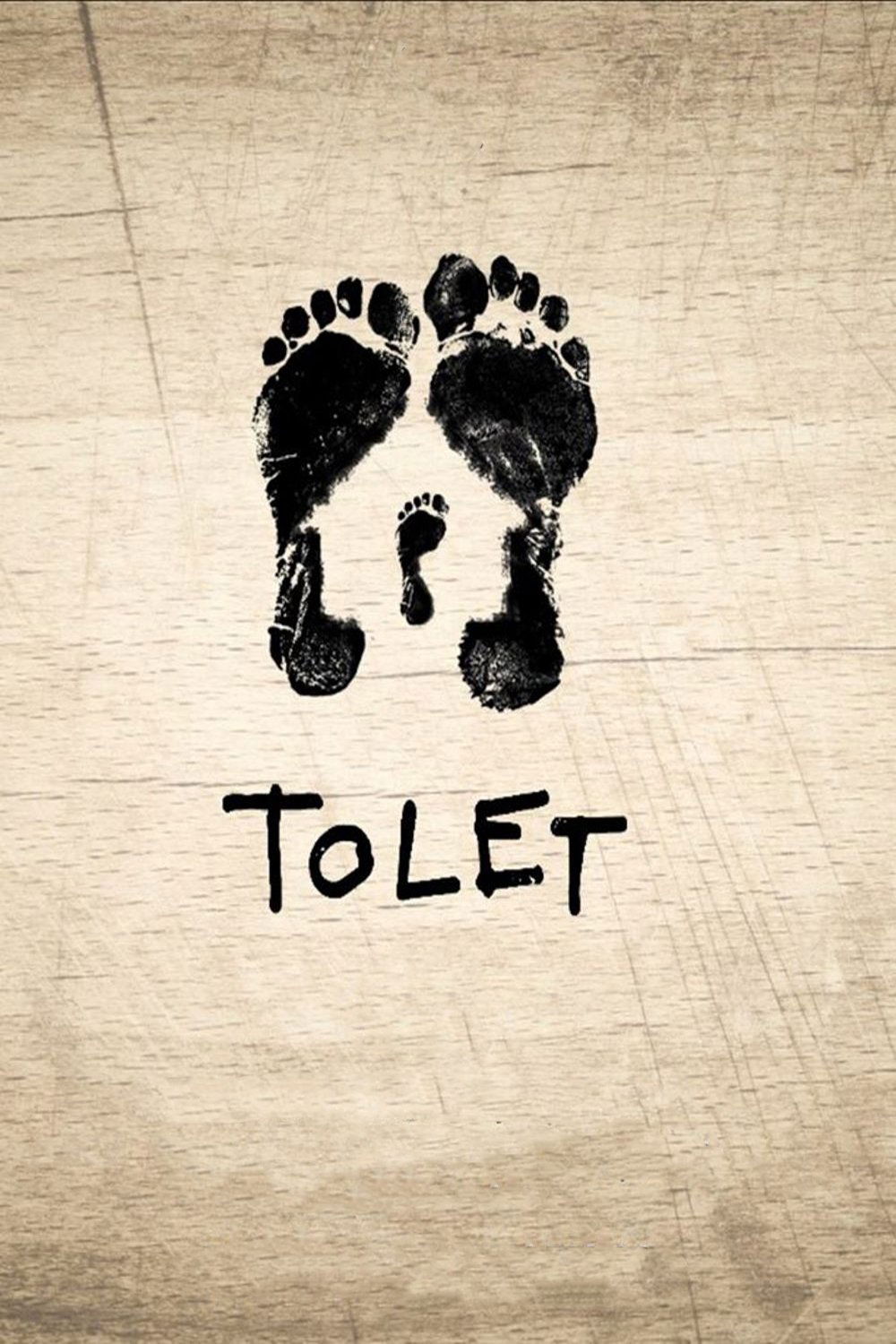
To Let
A lower-middle-class family searches for affordable housing in Chennai while landlords reject them for class and occupational reasons.
Original language: Tamil
Culture Check verdict
How we rateMixed / Contested
High confidence · Reviewed 2026-10-08
Family perseverance, dignity, urban rootedness and exposure of everyday discrimination strongly support Social Dharma and Local Roots.
Read the assessment & evidenceCultural framing · not a film-quality score
Why this verdict
The specific findings behind our assessment.
Family perseverance, dignity, urban rootedness and exposure of everyday discrimination strongly support Social Dharma and Local Roots.
Editorial review: Housing rejection repeatedly brings caste, religion, food and occupation into access to ordinary shelter. Their cumulative institutional weight is not cancelled by the family’s refusal to displace an elderly couple or its continuing mutual care: those are substantial internal conscience but do not repair the gatekeeping order. Caution changes Certified to Mixed, qualifying the landlady’s contemptuous caricature and preserving the review’s economic explanation rather than reducing all exclusion to Hindu faith. The unresolved ending is explicit; neither an invented successful tenancy nor detector silence supplies clearance.
Noticed another scene? Tell us what happens and why it matters to Bharatiya values.
Reviewed 2026-10-08
Read our full editorial analysisWhat the film shows, its cultural framing, and why the verdict follows.
The story
To Let follows a family’s search for shelter amid economic pressure. Housing rejection repeatedly invokes caste, religion, food and occupation.
What matters in the film
The exclusions govern access to an ordinary necessity. The family’s refusal to displace an elderly couple supplies substantial conscience, but does not repair the gatekeeping around it.
Culture Check reading
The humane reading centres perseverance and dignity under discrimination. The cultural tension concerns how repeatedly inherited markers become instruments of exclusion.
The strongest opposing reading
The economic explanation should remain visible rather than reducing every rejection to Hindu faith. Mutual care and restraint also prevent the tenants’ world from being morally empty.
Why this verdict
Mixed reflects family resilience alongside an unresolved housing order; the ending should not be rewritten into a successful tenancy.
What this review does not claim
This analysis develops the film-specific published-source record. It does not claim independent full-film viewing, verified verbatim dialogue or knowledge of the filmmaker’s private intentions.
Supporting sources (1)
These sources support the analysis above. The cultural interpretation and verdict are Culture Check’s assessment.
- title-specific opened plot or critical evidence
Supports: The story; What matters in the film; Culture Check reading; The strongest opposing reading; Why this verdict
Open the full evidence dossier
Signal map, Narrative Integrity and 3 source notes.
Open the full evidence dossier
Signal map, Narrative Integrity and 3 source notes.
Bharatiya signal map
Context for the verdict, not a film-quality score.
Dharma
4/5
Civilization
4/5
Rashtra
3/5
Itihasa
2/5
Parampara
4/5
Local Roots
4/5
Raksha
3/5
Social Dharma
4/5
Sacred Regard
4/5
Contempt Risk
0/5
Narrative Integrity
What changed, what it may mean, and what we can prove.
Evidence trail
Source notes behind this review.
film · Wikipedia title discovery
Title/year, credited premise and publicly documented plot context for To Let (2019) were checked as the baseline film record.
View sourcefilm · IMDb title discovery
Independent title/credits discovery was used to cross-check that the certification attaches to the intended 2019 film rather than a remake or namesake.
View sourcereview · title-specific opened plot or critical evidence
Opened review explicitly identifies repeated caste/religion/food housing filters, meaningful tenant ethics, caricature and lack of final resolution.
View sourceCulture Check is a declared Bharatiya cultural signal, not a film-quality rating. Facts, interpretation and claims about intent are kept separate, and factual caveats do not automatically override the certification axis.
Editorial revision history
2 recorded reviews
Open
Editorial revision history
2 recorded reviews
Review 2
2026-10-08
Mixed / Contested
Family perseverance, dignity, urban rootedness and exposure of everyday discrimination strongly support Social Dharma and Local Roots.
Review 1
2026-10-03
Sanghi Certified
Family perseverance, dignity, urban rootedness and exposure of everyday discrimination strongly support Social Dharma and Local Roots.
About the film
The film.
A lower-middle-class family searches for affordable housing in Chennai while landlords reject them for class and occupational reasons.
Keep exploring.
Return to discovery with your OTT filters and find another film.