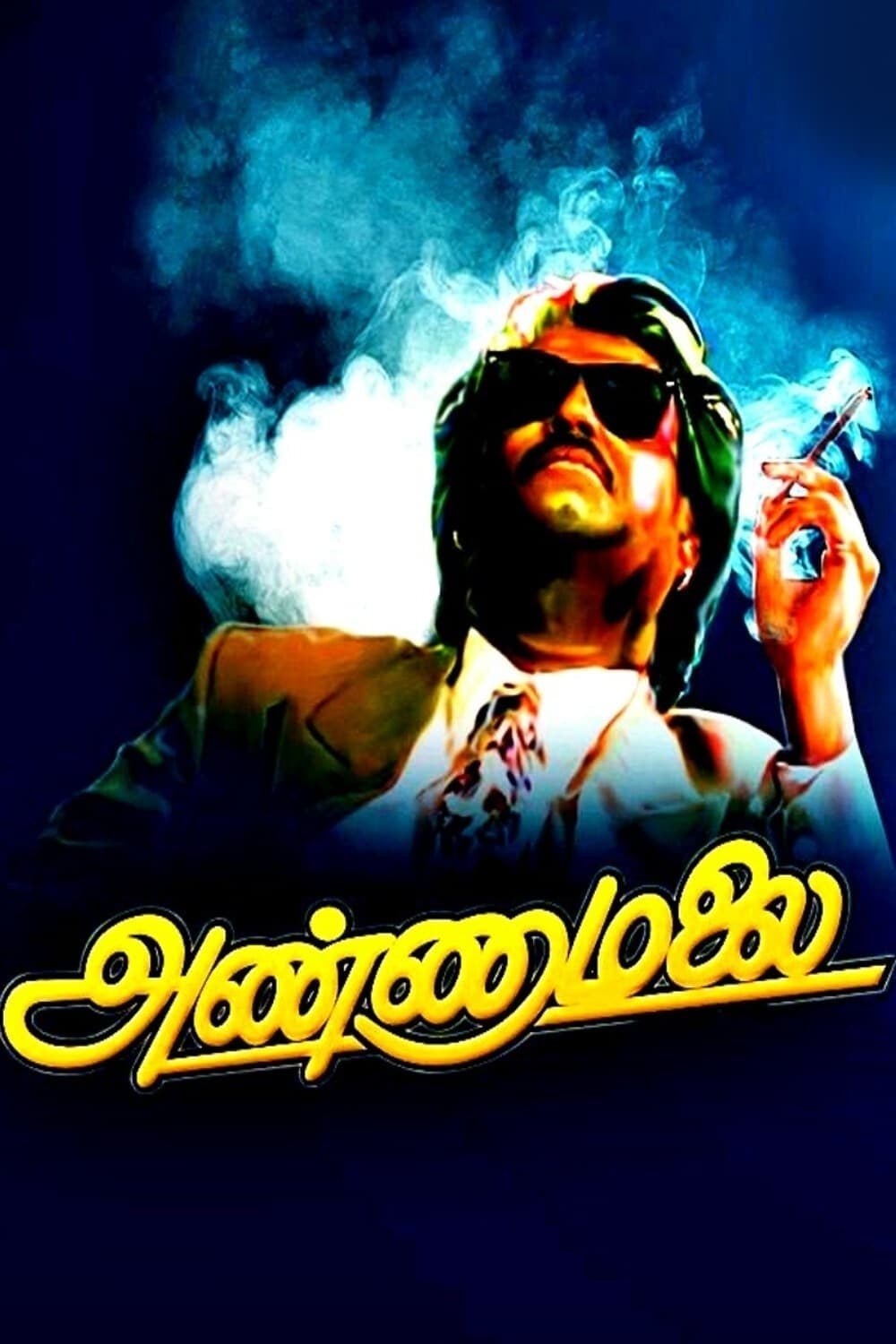
Annamalai
Annamalai dignifies ordinary labour and loyalty before betrayal turns success into an instrument of retaliation. The lost home matters because it holds family affection, not simply property value. The rise becomes morally complete only when it stops serving the old grievance.
Original language: Tamil
Culture Check verdict
How we rateSanghi Certified
Medium confidence · Reviewed 2026-10-13
Certified for that consequential repair of Dharma and continuity. Commercial triumph alone would not earn it; the relinquishing of destructive revenge supplies the stronger positive argument.
Read the assessment & evidenceCultural framing · not a film-quality score
Why this verdict
Called an insult. Worn as a badge.
The specific findings behind our assessment.
Certified for that consequential repair of Dharma and continuity. Commercial triumph alone would not earn it; the relinquishing of destructive revenge supplies the stronger positive argument.
The final correction gives the positive cultural reading more substance than village imagery or commercial triumph alone.
Noticed another scene? Tell us what happens and why it matters to Bharatiya values.
Reviewed 2026-10-13
Read our full editorial analysisWhat the film shows, its cultural framing, and why the verdict follows.
The story and its moral choices
Annamalai dignifies ordinary labour and loyalty before betrayal turns success into an instrument of retaliation. The lost home matters because it holds family affection, not simply property value. The rise becomes morally complete only when it stops serving the old grievance.
The consequential scenes
Maternal reverence remains constructive, including the wedding-day blessing. The ending is decisive: Annamalai abandons destruction of Ashok’s home, and Sivagami welcomes the recovery of her son’s warmth. The children’s relationship helps the families avoid transmitting their fathers’ resentment.
The cultural reading
Certified for that consequential repair of Dharma and continuity. Commercial triumph alone would not earn it; the relinquishing of destructive revenge supplies the stronger positive argument.
The scope of this assessment
The story moves from loyalty through betrayal and retaliation toward renunciation of the destructive grudge; family affection survives success.
Certification
The final correction gives the positive cultural reading more substance than village imagery or commercial triumph alone.
What this review does not claim
Source-based editorial assessment with owner scene calibration where specified; no independent full-film editor screening or unverified exact dialogue is claimed.
Supporting sources (3)
These sources support the analysis above. The cultural interpretation and verdict are Culture Check’s assessment.
- jeevasessays.wordpress.com
Supports: The story and its moral choices; The consequential scenes; The cultural reading; The scope of this assessment; Certification
- timesofindia.indiatimes.com
Supports: The story and its moral choices; The consequential scenes; The cultural reading; The scope of this assessment; Certification
- rajinimoviereviews.blogspot.com
Supports: The story and its moral choices; The consequential scenes; The cultural reading; The scope of this assessment; Certification
Open the full evidence dossier
Signal map, Narrative Integrity and 4 source notes.
Open the full evidence dossier
Signal map, Narrative Integrity and 4 source notes.
Bharatiya signal map
Context for the verdict, not a film-quality score.
Dharma
4/5
Civilization
4/5
Parampara
4/5
Local Roots
4/5
Raksha
4/5
Social Dharma
4/5
Sacred Regard
4/5
Contempt Risk
0/5
Narrative Integrity
What changed, what it may mean, and what we can prove.
Evidence trail
Source notes behind this review.
review · jeevasessays.wordpress.com
The milkman’s labour and friendship are respected; wealth-driven betrayal causes the central conflict. Annamalai, Ashok and their parents occupy a wealth/friendship conflict, with Sivagami supplying constructive moral influence. An astrologer’s warning about a woman and the confrontation with an MLA have been politically interpreted; the director distinguishes those readings from his intended character setup. The mother’s wedding blessing and the family home receive reverence; no opposed religious saviour is identified in the detailed accounts. Annamalai bows to his mother on his wedding day rather than proceeding to the temple in that moment. The inspected story uses family and friendship drama, not an identified adaptation of a sacred verse. Source scope and remaining qualifications are recorded in the film-specific rule ledger.
View sourcereview · timesofindia.indiatimes.com
The milkman’s labour and friendship are respected; wealth-driven betrayal causes the central conflict. Annamalai, Ashok and their parents occupy a wealth/friendship conflict, with Sivagami supplying constructive moral influence. An astrologer’s warning about a woman and the confrontation with an MLA have been politically interpreted; the director distinguishes those readings from his intended character setup. The mother’s wedding blessing and the family home receive reverence; no opposed religious saviour is identified in the detailed accounts. Annamalai bows to his mother on his wedding day rather than proceeding to the temple in that moment. The inspected story uses family and friendship drama, not an identified adaptation of a sacred verse. Source scope and remaining qualifications are recorded in the film-specific rule ledger.
View sourcereview · rajinimoviereviews.blogspot.com
The milkman’s labour and friendship are respected; wealth-driven betrayal causes the central conflict. Annamalai, Ashok and their parents occupy a wealth/friendship conflict, with Sivagami supplying constructive moral influence. An astrologer’s warning about a woman and the confrontation with an MLA have been politically interpreted; the director distinguishes those readings from his intended character setup. The mother’s wedding blessing and the family home receive reverence; no opposed religious saviour is identified in the detailed accounts. Annamalai bows to his mother on his wedding day rather than proceeding to the temple in that moment. The inspected story uses family and friendship drama, not an identified adaptation of a sacred verse. Source scope and remaining qualifications are recorded in the film-specific rule ledger.
View sourceprimary · CultureCheck owner approval and firsthand scene calibration — 13 October 2026
Certified explicitly approved. Recorded from the owner’s actual instruction; verdict approval is not a substitute for the source-specific film findings.
View sourceCulture Check is a declared Bharatiya cultural signal, not a film-quality rating. Facts, interpretation and claims about intent are kept separate, and factual caveats do not automatically override the certification axis.
Editorial revision history
1 recorded review
Open
Editorial revision history
1 recorded review
Review 1
2026-10-13
Sanghi Certified
Certified for that consequential repair of Dharma and continuity. Commercial triumph alone would not earn it; the relinquishing of destructive revenge supplies the stronger positive argument.
About the film
The film.
Annamalai dignifies ordinary labour and loyalty before betrayal turns success into an instrument of retaliation. The lost home matters because it holds family affection, not simply property value. The rise becomes morally complete only when it stops serving the old grievance.
Keep exploring.
Return to discovery with your OTT filters and find another film.