
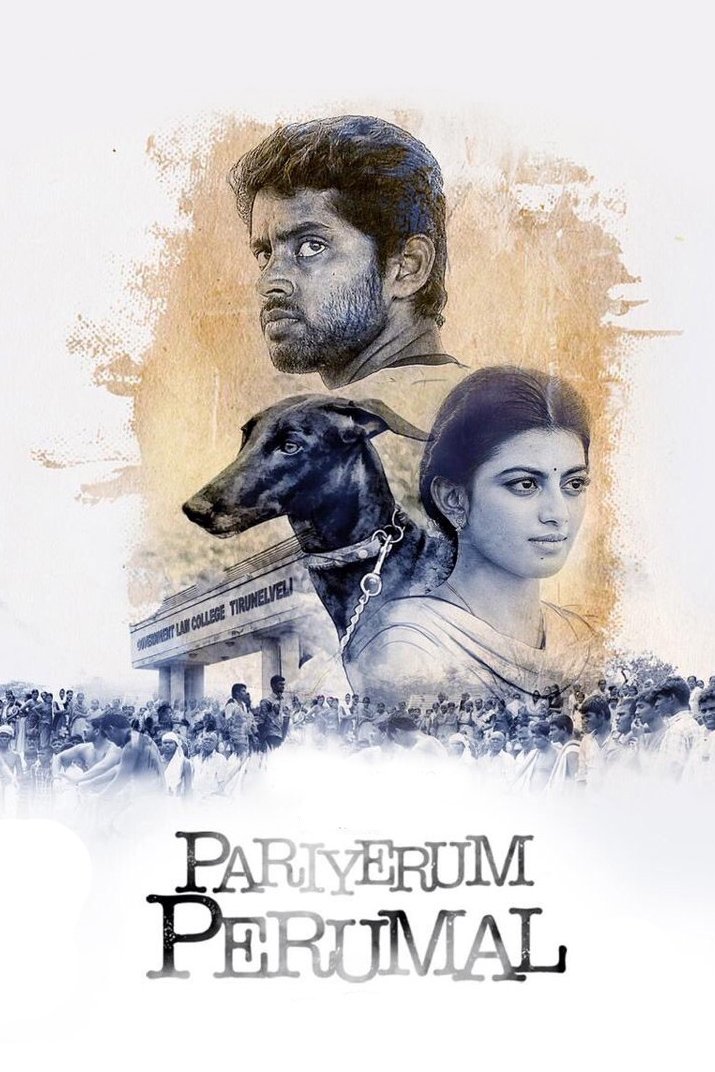
Pariyerum Perumal
A Tirunelveli-set coming-of-age and inter-caste story about a Dalit law student facing humiliation, violence and structural discrimination.
Original language: Tamil
Culture Check verdict
How we rateMixed / Contested
High confidence · Reviewed 2026-10-08
Pariyan’s pursuit of education, restraint and dialogue retains substantial moral weight against caste humiliation and honour violence.
Read the assessment & evidenceCultural framing · not a film-quality score
Why this verdict
The specific findings behind our assessment.
Pariyan’s pursuit of education, restraint and dialogue retains substantial moral weight against caste humiliation and honour violence.
The opening rejection of caste and religion and the recurring killer’s claim to serve his clan deity create a cumulative sacred-valence caution. The perpetrator’s rationale is not generalized to all Hindu believers, but cannot be erased by a generic social-justice defence; Certified is unavailable.
Noticed another scene? Tell us what happens and why it matters to Bharatiya values.
Reviewed 2026-10-08
Read our full editorial analysisWhat the film shows, its cultural framing, and why the verdict follows.
The story
Pariyerum Perumal gives Pariyan’s education, restraint and dialogue substantial weight against caste humiliation and honour violence. Sacred identity also enters the explanation of cruelty.
What matters in the film
The recurring killer claims to serve his clan deity, alongside a broad opening rejection of caste and religion. Those elements cannot be omitted from an otherwise social-justice reading.
Culture Check reading
The positive element is Pariyan’s sustained dignity under pressure. The adverse sacred framing remains material, but the killer’s rationale is not a verified statement that Hindu gods command violence.
The strongest opposing reading
The killer’s unvindicated resolution and Pariyan’s restraint bound the claim to perpetrator rationalisation rather than collective religious instruction. They qualify without erasing the cumulative caution.
Why this verdict
Mixed recognises education and dialogue while preserving the sacred and social framing that prevents certification.
What this review does not claim
This analysis develops the film-specific published-source record. It does not claim independent full-film viewing, verified verbatim dialogue or knowledge of the filmmaker’s private intentions.
Supporting sources (4)
These sources support the analysis above. The cultural interpretation and verdict are Culture Check’s assessment.
- Indian Express — South Stream: Pariyerum Perumal
Supports: The story; What matters in the film; Culture Check reading; The strongest opposing reading; Why this verdict
- The News Minute — Pariyerum Perumal review
Supports: The story; What matters in the film; Culture Check reading; The strongest opposing reading; Why this verdict
- Times of India — Pariyerum Perumal review
Supports: The story; What matters in the film; Culture Check reading; The strongest opposing reading; Why this verdict
- The Wire — Pariyerum Perumal and civility
Supports: The story; What matters in the film; Culture Check reading; The strongest opposing reading; Why this verdict
Open the full evidence dossier
Signal map, Narrative Integrity and 4 source notes.
Open the full evidence dossier
Signal map, Narrative Integrity and 4 source notes.
Bharatiya signal map
Context for the verdict, not a film-quality score.
Dharma
5/5
Civilization
2/5
Rashtra
1/5
Itihasa
1/5
Parampara
1/5
Local Roots
5/5
Raksha
4/5
Social Dharma
5/5
Sacred Regard
2/5
Contempt Risk
1/5
Narrative Integrity
What changed, what it may mean, and what we can prove.
Evidence trail
Source notes behind this review.
review · Indian Express — South Stream: Pariyerum Perumal
Describes the film as an uncompromising exposure of caste hegemony while emphasizing the protagonist’s refusal of easy revenge.
View sourcereview · The News Minute — Pariyerum Perumal review
Frames the film as a major work revising Tamil cinema’s treatment of caste and social inequality.
View sourcereview · Times of India — Pariyerum Perumal review
Describes the serial honour-killer as calling his caste murders service to his clan deity, while also identifying the film’s idealism and optimistic counterweight.
View sourcereview · The Wire — Pariyerum Perumal and civility
Records the killer’s lineage-god justification, hesitation about killing Pariyan, failed assignment and suicide; also examines the limits of the film’s civility argument.
View sourceCulture Check is a declared Bharatiya cultural signal, not a film-quality rating. Facts, interpretation and claims about intent are kept separate, and factual caveats do not automatically override the certification axis.
Editorial revision history
2 recorded reviews
Open
Editorial revision history
2 recorded reviews
Review 2
2026-10-08
Mixed / Contested
Pariyan’s pursuit of education, restraint and dialogue retains substantial moral weight against caste humiliation and honour violence.
Review 1
2026-10-03
Sanghi Certified
Its core moral demand is equal human dignity in the face of caste humiliation, and the protagonist repeatedly chooses education, restraint and survival over revenge.
About the film
The film.
A Tirunelveli-set coming-of-age and inter-caste story about a Dalit law student facing humiliation, violence and structural discrimination.
Keep exploring.
Return to discovery with your OTT filters and find another film.