
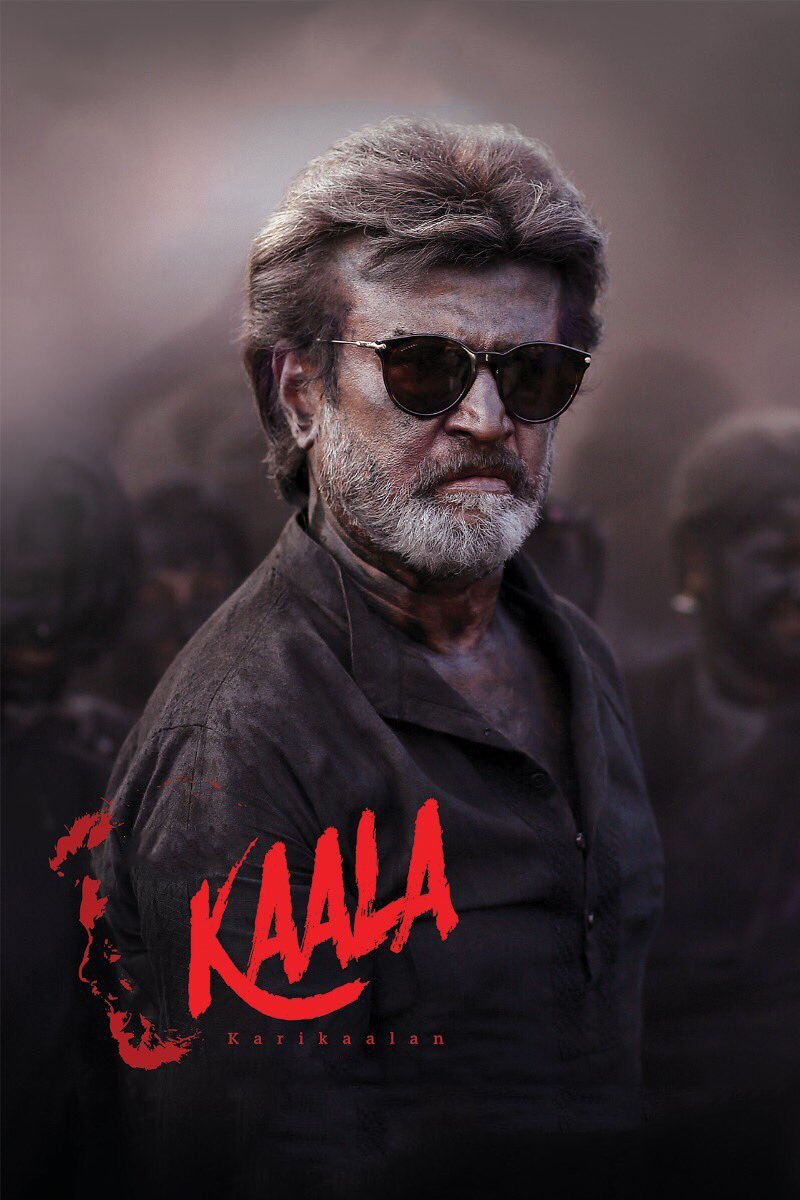
Kaala
Karikaalan leads Dharavi residents resisting predatory redevelopment and a powerful political opponent, Hari Dada. The genuine land-security and dignity concerns are placed inside a conflict whose repeated imagery draws on the Ramayana, Hindu devotional markers and competing political symbols.
Original language: Tamil
Culture Check verdict
How we rateReviewed · Not Certified
High confidence · Reviewed 2026-10-13
Not Certified. The sustained Rama–Ravana moral inversion, political/ritual contrasts and climactic reinforcement make the adverse Hindu-civilizational coding central to Kaala, not incidental. This is a narrative assessment, not a claim that defending Dharavi residents is wrong or proof of a filmmaker’s undisclosed motive.
Read the assessment & evidenceCultural framing · not a film-quality score
Why this verdict
Does not meet Culture Check’s civilizational certification standard · Not a film-quality score
The specific findings behind our assessment.
Not Certified. The sustained Rama–Ravana moral inversion, political/ritual contrasts and climactic reinforcement make the adverse Hindu-civilizational coding central to Kaala, not incidental. This is a narrative assessment, not a claim that defending Dharavi residents is wrong or proof of a filmmaker’s undisclosed motive.
CultureCheck considers the repeated use of Rama-associated imagery, Hindu-coded authority and devotional-purity markers on the villain’s side to be a central adverse cultural choice. The film’s solidarity with displaced residents has independent moral value, but does not cancel the sacred-symbolic inversion through which that solidarity is dramatized. The Ramayana is not merely cited; its hero/villain associations are inverted as the film’s climactic political grammar. The activist imagery, language of purity and named symbols reinforce each other rather than appearing as unrelated details.
Noticed another scene? Tell us what happens and why it matters to Bharatiya values.
Reviewed 2026-10-13
Read our full editorial analysisWhat the film shows, its cultural framing, and why the verdict follows.
The cause, and the story built around it
Karikaalan leads Dharavi residents resisting predatory redevelopment and a powerful political opponent, Hari Dada. The genuine land-security and dignity concerns are placed inside a conflict whose repeated imagery draws on the Ramayana, Hindu devotional markers and competing political symbols.
Land, shelter and social dignity are serious issues in their own right. The certification concerns the additional political-religious symbolism the film deliberately attaches to that struggle.
How the film codes authority and resistance
Hari’s authority is framed through Rama-associated epic references, purity-inflected behaviour and saffron/white political coding, while Kaala is aligned with the sympathetic Ravana pole. The nationalist-party proxy, Manu and Dandakaranya references, Lenin, and the blue/black/red symbolic palette reinforce the contrast across several parts of the narrative.
Hari’s refusal of offered water, his devotional presentation and contrasting affirmative Buddhist and political imagery turn private behavior, religion and public power into aligned signs. The Ramayana references return at the climax, linking the confrontation with a final collective image of Kaala and the symbolic defeat of Hari’s order. The epic reversal therefore carries the story’s moral payoff rather than functioning as a one-line rhetorical flourish.
Why these repeated choices matter
CultureCheck considers the repeated use of Rama-associated imagery, Hindu-coded authority and devotional-purity markers on the villain’s side to be a central adverse cultural choice. The film’s solidarity with displaced residents has independent moral value, but does not cancel the sacred-symbolic inversion through which that solidarity is dramatized.
The Ramayana is not merely cited; its hero/villain associations are inverted as the film’s climactic political grammar. The activist imagery, language of purity and named symbols reinforce each other rather than appearing as unrelated details.
What the verdict does and does not claim
Condemning coercive redevelopment, caste injustice or one corrupt Hindu character is not inherently a rejection of Hindu tradition. The adverse finding concerns the repeated sacred-symbolic moral alignment and its decisive role in the ending, not a claim about every devotee or hidden director hatred.
Why Kaala is Not Certified
Not Certified. The sustained Rama–Ravana moral inversion, political/ritual contrasts and climactic reinforcement make the adverse Hindu-civilizational coding central to Kaala, not incidental. This is a narrative assessment, not a claim that defending Dharavi residents is wrong or proof of a filmmaker’s undisclosed motive.
What this review does not claim
This review uses owner-designated firsthand viewer accounts and the retained source record. No new editor screening, unverified verbatim dialogue or private filmmaker motive is claimed.
Supporting sources (4)
These sources support the analysis above. The cultural interpretation and verdict are Culture Check’s assessment.
- CultureCheck editorial collaborator — trusted first-hand film viewing notes
Supports: The cause, and the story built around it; How the film codes authority and resistance; Why these repeated choices matter; What the verdict does and does not claim; Why Kaala is Not Certified
- Hindustan Times — Kaala narrative and confrontation
Supports: The cause, and the story built around it; How the film codes authority and resistance; What the verdict does and does not claim
- Cinema Express — contemporaneous Kaala film analysis
Supports: How the film codes authority and resistance; Why these repeated choices matter; Why Kaala is Not Certified
- The Wire — interview on the film’s visual and political iconography
Supports: Why these repeated choices matter
Open the full evidence dossier
Signal map, Narrative Integrity and 5 source notes.
Open the full evidence dossier
Signal map, Narrative Integrity and 5 source notes.
Bharatiya signal map
Context for the verdict, not a film-quality score.
Dharma
2/5
Civilization
2/5
Rashtra
1/5
Itihasa
2/5
Parampara
1/5
Local Roots
4/5
Raksha
3/5
Social Dharma
5/5
Sacred Regard
0/5
Contempt Risk
4/5
Narrative Integrity
What changed, what it may mean, and what we can prove.
Evidence trail
Source notes behind this review.
review · CultureCheck editorial collaborator — trusted first-hand film viewing notes
Full-film first-hand viewing analysis maps the Rama/Ravana moral inversion, Hari’s Hindu-coded political and devotional presentation, Manu/Dandakaranya references, Lenin, food/ritual asymmetry, Buddhist counter-imagery and the collective-symbol ending. These are trusted editorial scene observations, not inferred private creator intent.
View sourcereview · Cinema Express — contemporaneous Kaala film analysis
The film repeatedly deploys Rama-versus-Ravana language and an intercut epic/political climax, placing Ramayana figures into the moral and political argument.
View sourcereview · Hindustan Times — Kaala narrative and confrontation
Contemporary account describes the land struggle, Hari’s caste- and purity-associated refusal of water, and the mythological inversion through the film.
View sourcereview · The Wire — interview on the film’s visual and political iconography
The director’s documented explanation of blue, black and red visual symbolism provides corroborating background for the film’s political-symbolic construction, not an authority to override the viewing record.
View sourceprimary · Owner-designated firsthand viewer — Kaala, feedback snapshot 13 October 2026
The viewer identifies adverse Rama-associated Nana Patekar/Hari framing and favorable Ravana-associated hero framing. This matches the existing full epic-inversion findings. The separate reference to Raavanan is not evidence imported into Kaala.
View sourceCulture Check is a declared Bharatiya cultural signal, not a film-quality rating. Facts, interpretation and claims about intent are kept separate, and factual caveats do not automatically override the certification axis.
Editorial revision history
3 recorded reviews
Open
Editorial revision history
3 recorded reviews
Review 3
2026-10-13
Reviewed · Not Certified
Not Certified. The sustained Rama–Ravana moral inversion, political/ritual contrasts and climactic reinforcement make the adverse Hindu-civilizational coding central to Kaala, not incidental. This is a narrative assessment, not a claim that defending Dharavi residents is wrong or proof of a filmmaker’s undisclosed motive.
Review 2
2026-10-12
Reviewed · Not Certified
Not Certified. The sustained Rama–Ravana moral inversion, political/ritual contrasts and climactic reinforcement make the adverse Hindu-civilizational coding central to Kaala, not incidental. This is a narrative assessment, not a claim that defending Dharavi residents is wrong or proof of a filmmaker’s undisclosed motive.
Review 1
2026-10-03
Reviewed · Not Certified
The film’s defence of the urban poor and critique of caste hierarchy are legitimate Social Dharma signals and are not, by themselves, treated as anti-Hindu.
About the film
The film.
Karikaalan leads Dharavi residents resisting predatory redevelopment and a powerful political opponent, Hari Dada. The genuine land-security and dignity concerns are placed inside a conflict whose repeated imagery draws on the Ramayana, Hindu devotional markers and competing political symbols.
Keep exploring.
Return to discovery with your OTT filters and find another film.