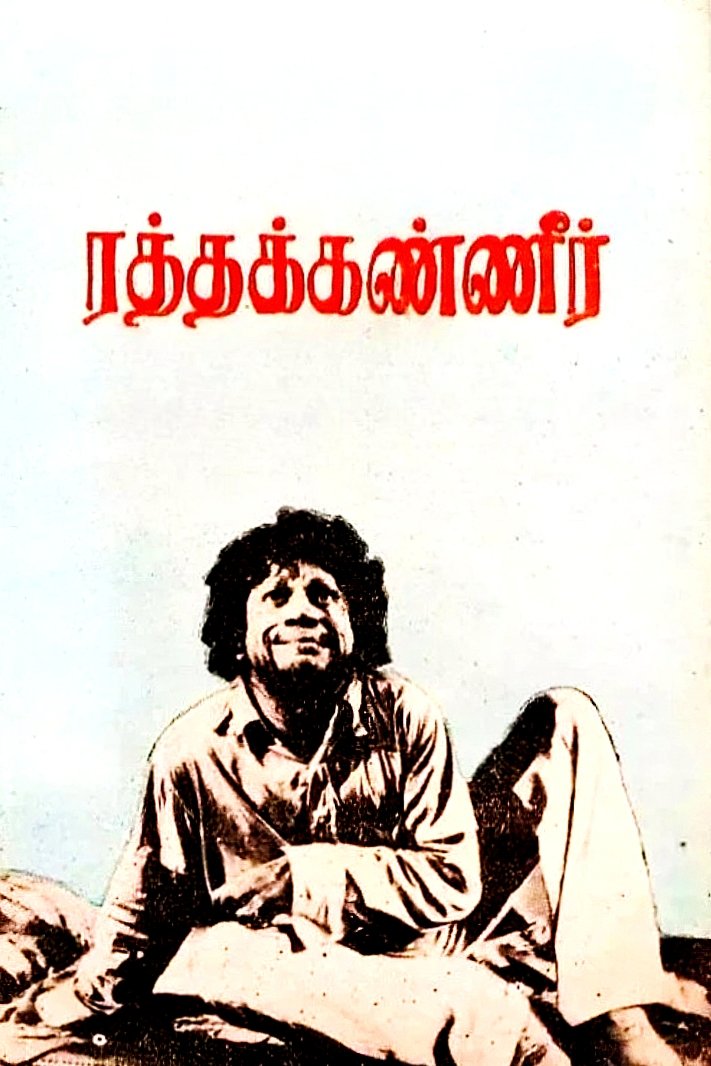
Ratha Kanneer
A wealthy westernised man despises his family and culture, pursues vice and eventually faces ruin and remorse.
Original language: Tamil
Culture Check verdict
How we rateMixed / Contested
High confidence · Reviewed 2026-10-08
The film explicitly warns against arrogance, abandonment of family duty and contempt for one’s roots, producing a strong corrective Dharma frame.
Read the assessment & evidenceCultural framing · not a film-quality score
Why this verdict
The specific findings behind our assessment.
The film explicitly warns against arrogance, abandonment of family duty and contempt for one’s roots, producing a strong corrective Dharma frame.
Its moralising treatment of sexuality and disease is harsh and dated, so the social message needs qualification.
Noticed another scene? Tell us what happens and why it matters to Bharatiya values.
Reviewed 2026-10-08
Read our full editorial analysisWhat the film shows, its cultural framing, and why the verdict follows.
The story
Ratha Kanneer warns against arrogance, abandonment of family duty and contempt for one’s roots. Its corrective arc places a harsh moralising burden on sexuality and disease.
What matters in the film
Repeated mockery of astrology and culture coexists with punishment of the speaker and a local conscience. A line of contempt cannot be read in isolation from those responses.
Culture Check reading
The positive argument is that status and self-regard do not release someone from responsibility to family. Its weakness lies in using suffering and illness as moral shorthand.
The strongest opposing reading
The punishment can distance the film from the protagonist’s contempt. That distancing does not settle whether every cultural joke or punitive assumption is adequately examined.
Why this verdict
Mixed reflects a meaningful corrective moral frame qualified by harsh, dated treatment of sexuality, disease and cultural mockery.
What this review does not claim
This analysis develops the film-specific published-source record. It does not claim independent full-film viewing, verified verbatim dialogue or knowledge of the filmmaker’s private intentions.
Supporting sources (1)
These sources support the analysis above. The cultural interpretation and verdict are Culture Check’s assessment.
- independently opened title-specific evidence
Supports: The story; What matters in the film; Culture Check reading; The strongest opposing reading; Why this verdict
Open the full evidence dossier
Signal map, Narrative Integrity and 3 source notes.
Open the full evidence dossier
Signal map, Narrative Integrity and 3 source notes.
Bharatiya signal map
Context for the verdict, not a film-quality score.
Dharma
3/5
Civilization
3/5
Rashtra
2/5
Itihasa
2/5
Parampara
2/5
Local Roots
4/5
Raksha
3/5
Social Dharma
4/5
Sacred Regard
2/5
Contempt Risk
2/5
Narrative Integrity
What changed, what it may mean, and what we can prove.
Evidence trail
Source notes behind this review.
film · Wikipedia title discovery
Title/year, credited premise and publicly documented plot context for Ratha Kanneer (1954) were checked as the baseline film record.
View sourcefilm · IMDb title discovery
Independent title/credits discovery was used to cross-check that the certification attaches to the intended 1954 film rather than a remake or namesake.
View sourcereview · independently opened title-specific evidence
Opened retrospective documents astrology mockery, culture debates, Dravidian framing, neglected funeral, remorse and the final plea for remarriage.
View sourceCulture Check is a declared Bharatiya cultural signal, not a film-quality rating. Facts, interpretation and claims about intent are kept separate, and factual caveats do not automatically override the certification axis.
Editorial revision history
2 recorded reviews
Open
Editorial revision history
2 recorded reviews
Review 2
2026-10-08
Mixed / Contested
The film explicitly warns against arrogance, abandonment of family duty and contempt for one’s roots, producing a strong corrective Dharma frame.
Review 1
2026-10-03
Mixed / Contested
The film explicitly warns against arrogance, abandonment of family duty and contempt for one’s roots, producing a strong corrective Dharma frame.
About the film
The film.
A wealthy westernised man despises his family and culture, pursues vice and eventually faces ruin and remorse.
Keep exploring.
Return to discovery with your OTT filters and find another film.