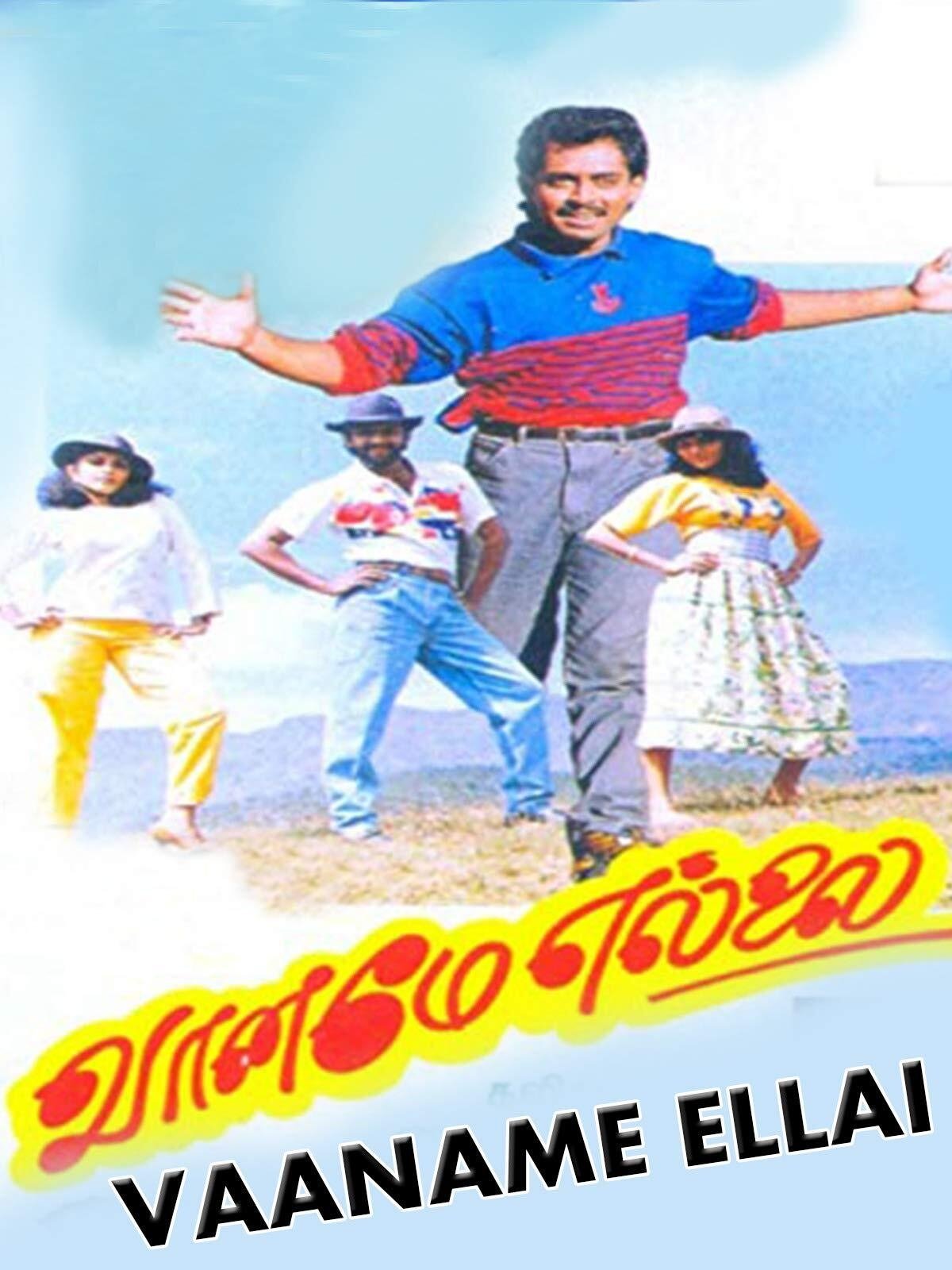
Vaaname Ellai
Young people who have lost hope agree to delay suicide and spend their remaining time discovering purpose through relationships and social contribution.
Original language: Tamil
Culture Check verdict
How we rateMixed / Contested
High confidence · Reviewed 2026-10-08
The film redirects despair toward responsibility, service, friendship and meaningful living, giving it strong Dharma and Social Dharma signals.
Read the assessment & evidenceCultural framing · not a film-quality score
Why this verdict
The specific findings behind our assessment.
The film redirects despair toward responsibility, service, friendship and meaningful living, giving it strong Dharma and Social Dharma signals.
Editorial review: The eventual choice to live provides developed collective care, but the grievances include dowry-financed corruption, coerced marriage, sexual violence and a high-caste merit claim against reservation. These are repeated social explanations, not neutral background; disability is also used as inspiration for others’ recovery. Caution changes Certified to Mixed, preserving Pasupathy’s consequential initiative and friends’ genuine connection as counterweight rather than endorsing every grievance or the manipulative staged death. The final affirmation of life does not settle the caste-policy simplification.
Noticed another scene? Tell us what happens and why it matters to Bharatiya values.
Reviewed 2026-10-08
Read our full editorial analysisWhat the film shows, its cultural framing, and why the verdict follows.
The story
Vaaname Ellai moves a group from despair toward friendship, service and meaningful living. Their grievances include marriage coercion, sexual violence and dowry-linked corruption.
What matters in the film
A high-caste merit claim against reservation and the use of disability to inspire others complicate the affirmative arc. The staged death also has a manipulative dimension.
Culture Check reading
Choosing life and developing mutual care are real positive actions. They do not require endorsing every explanation the characters give for their despair.
The strongest opposing reading
Pasupathy’s initiative and the friends’ connection give the recovery substantial agency. That counterweight does not resolve the simplification of caste policy or the instrumental treatment of disability.
Why this verdict
Mixed credits the affirmation of life while keeping those unresolved social framings part of the judgment.
What this review does not claim
This draft develops a secondary plot account. It is not independently corroborated completed-film criticism and does not clear the existing evidence hold. Full-film viewing and verified dialogue are not claimed.
Supporting sources (1)
These sources support the analysis above. The cultural interpretation and verdict are Culture Check’s assessment.
- title-specific opened plot or critical evidence
Supports: The story; What matters in the film; Culture Check reading; The strongest opposing reading; Why this verdict
Open the full evidence dossier
Signal map, Narrative Integrity and 3 source notes.
Open the full evidence dossier
Signal map, Narrative Integrity and 3 source notes.
Bharatiya signal map
Context for the verdict, not a film-quality score.
Dharma
4/5
Civilization
4/5
Rashtra
3/5
Itihasa
2/5
Parampara
4/5
Local Roots
4/5
Raksha
3/5
Social Dharma
4/5
Sacred Regard
4/5
Contempt Risk
0/5
Narrative Integrity
What changed, what it may mean, and what we can prove.
Evidence trail
Source notes behind this review.
film · Wikipedia title discovery
Title/year, credited premise and publicly documented plot context for Vaaname Ellai (1992) were checked as the baseline film record.
View sourcefilm · IMDb title discovery
Independent title/credits discovery was used to cross-check that the certification attaches to the intended 1992 film rather than a remake or namesake.
View sourcereview · title-specific opened plot or critical evidence
Opened plot documents five grievances, caste-policy resentment and staged interventions culminating in the choice to live.
View sourceCulture Check is a declared Bharatiya cultural signal, not a film-quality rating. Facts, interpretation and claims about intent are kept separate, and factual caveats do not automatically override the certification axis.
Editorial revision history
2 recorded reviews
Open
Editorial revision history
2 recorded reviews
Review 2
2026-10-08
Mixed / Contested
The film redirects despair toward responsibility, service, friendship and meaningful living, giving it strong Dharma and Social Dharma signals.
Review 1
2026-10-03
Sanghi Certified
The film redirects despair toward responsibility, service, friendship and meaningful living, giving it strong Dharma and Social Dharma signals.
About the film
The film.
Young people who have lost hope agree to delay suicide and spend their remaining time discovering purpose through relationships and social contribution.
Keep exploring.
Return to discovery with your OTT filters and find another film.