
historical claimsupported
The film’s compressed representation of the Bombay riots and communal responsibility was materially contested at release.
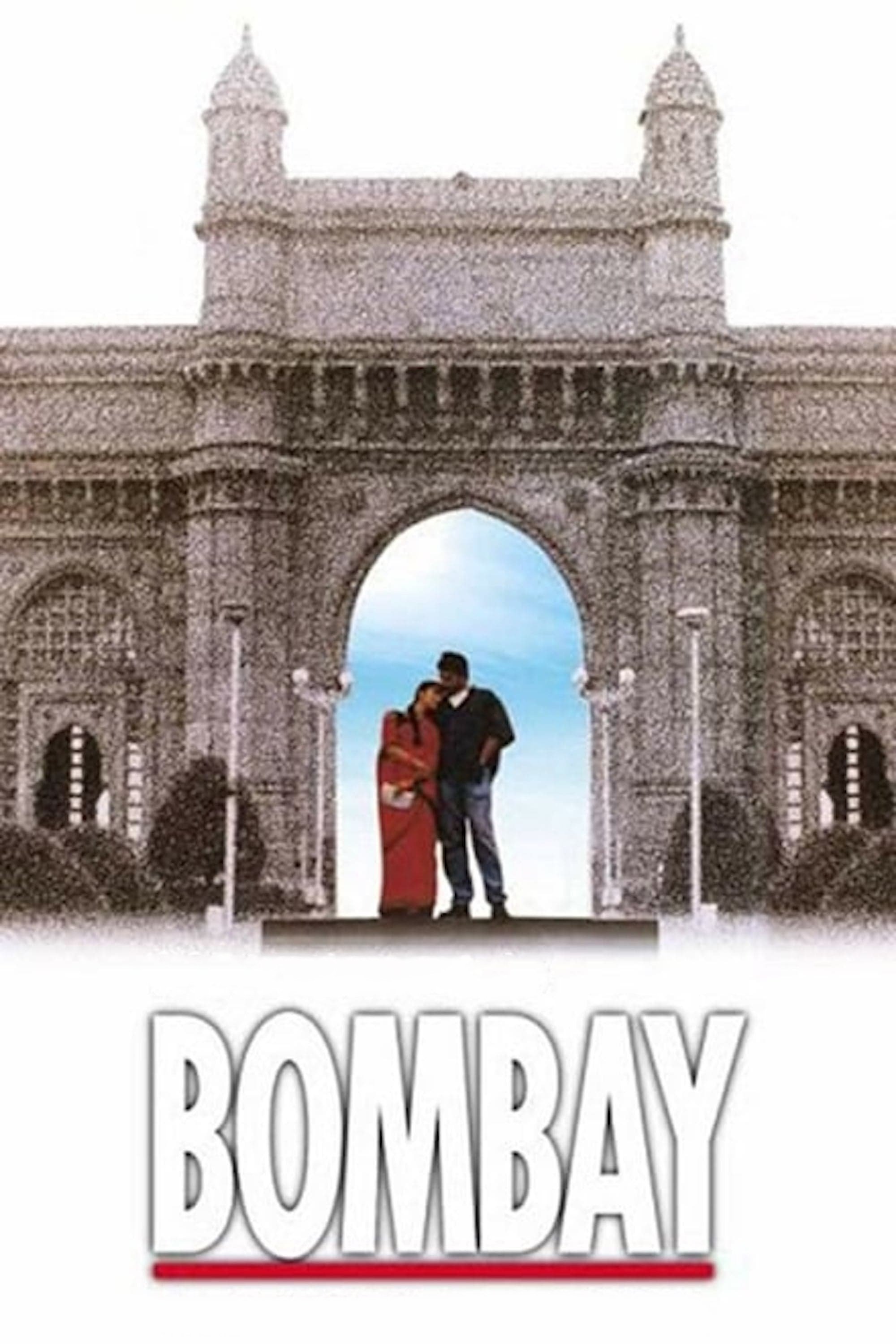
A fictional Hindu-Muslim love story and family drama placed inside the 1992-93 Bombay communal riots, using intimate domestic stakes to make an argument against communal violence.
Original language: Tamil
Culture Check verdict
How we rateMixed / Contested
High confidence · Reviewed 2026-10-08
The film’s strongest positive signal is its insistence that a Hindu-Muslim family and ordinary citizens should not be destroyed by communal hatred, which supports civic solidarity and Social Dharma.
Read the assessment & evidenceCultural framing · not a film-quality score
The specific findings behind our assessment.
The film’s strongest positive signal is its insistence that a Hindu-Muslim family and ordinary citizens should not be destroyed by communal hatred, which supports civic solidarity and Social Dharma.
Its compression and balancing of responsibility around the Bombay riots attracted contemporary criticism from Muslim leaders and others; because communal representation is central rather than incidental, the appropriate verdict is Mixed / Contested.
Noticed another scene? Tell us what happens and why it matters to Bharatiya values.
Reviewed 2026-10-08
Bombay places a Hindu-Muslim family and ordinary citizens against communal hatred. Civic solidarity is the strongest positive element of its riot narrative.
The historical violence is compressed and responsibility balanced through a fictional reconciliation frame. Contemporary criticism, including from Muslim leaders, questioned that representation.
The affirmative claim is that family and shared citizenship should not be destroyed by communal division. Its ethical force does not verify the film’s allocation of historical responsibility.
A reconciliatory drama may simplify to make shared suffering legible. That method can also flatten asymmetry or suggest false equivalence when communal representation is central.
Mixed credits civic solidarity while retaining the contested historical and community framing.
This analysis develops the film-specific published-source record. It does not claim independent full-film viewing, verified verbatim dialogue or knowledge of the filmmaker’s private intentions.
These sources support the analysis above. The cultural interpretation and verdict are Culture Check’s assessment.
Supports: The story; What matters in the film; Culture Check reading; The strongest opposing reading; Why this verdict
Supports: The story; What matters in the film; Culture Check reading; The strongest opposing reading; Why this verdict
Supports: The story; What matters in the film; Culture Check reading; The strongest opposing reading; Why this verdict
Supports: The story; What matters in the film; Culture Check reading; The strongest opposing reading; Why this verdict
Open the full evidence dossier
Signal map, Narrative Integrity and 4 source notes.
Bharatiya signal map
Context for the verdict, not a film-quality score.
Dharma
3/5
Civilization
3/5
Rashtra
4/5
Itihasa
4/5
Parampara
2/5
Local Roots
4/5
Raksha
2/5
Social Dharma
5/5
Sacred Regard
2/5
Contempt Risk
2/5
Narrative Integrity
The film’s compressed representation of the Bombay riots and communal responsibility was materially contested at release.
Evidence trail
Source notes behind this review.
review · India Today — Bombay incenses Muslim leaders
Documents objections from Muslim leaders to the film’s representation of the riots and communal responsibility.
View sourcereview · India Today — Critical acclaim and howls of protest
Records both acclaim and substantial controversy over the film’s treatment of the Bombay riots.
View sourcereview · India Today — Bombay and communalism
Discusses Ratnam’s effort to view communal conflict through an ordinary mixed-faith family.
View sourcereview · title-specific opened plot or critical evidence
Opened scholarly analysis weighs unequal assimilation, parental transformation, reciprocal rescue and the irreversible cost beneath reconciliation.
View sourceCulture Check is a declared Bharatiya cultural signal, not a film-quality rating. Facts, interpretation and claims about intent are kept separate, and factual caveats do not automatically override the certification axis.
Editorial revision history
2 recorded reviews
Review 2
2026-10-08
Mixed / Contested
The film’s strongest positive signal is its insistence that a Hindu-Muslim family and ordinary citizens should not be destroyed by communal hatred, which supports civic solidarity and Social Dharma.
Review 1
2026-10-03
Mixed / Contested
The film’s strongest positive signal is its insistence that a Hindu-Muslim family and ordinary citizens should not be destroyed by communal hatred, which supports civic solidarity and Social Dharma.
About the film
A fictional Hindu-Muslim love story and family drama placed inside the 1992-93 Bombay communal riots, using intimate domestic stakes to make an argument against communal violence.
Keep exploring.
Return to discovery with your OTT filters and find another film.