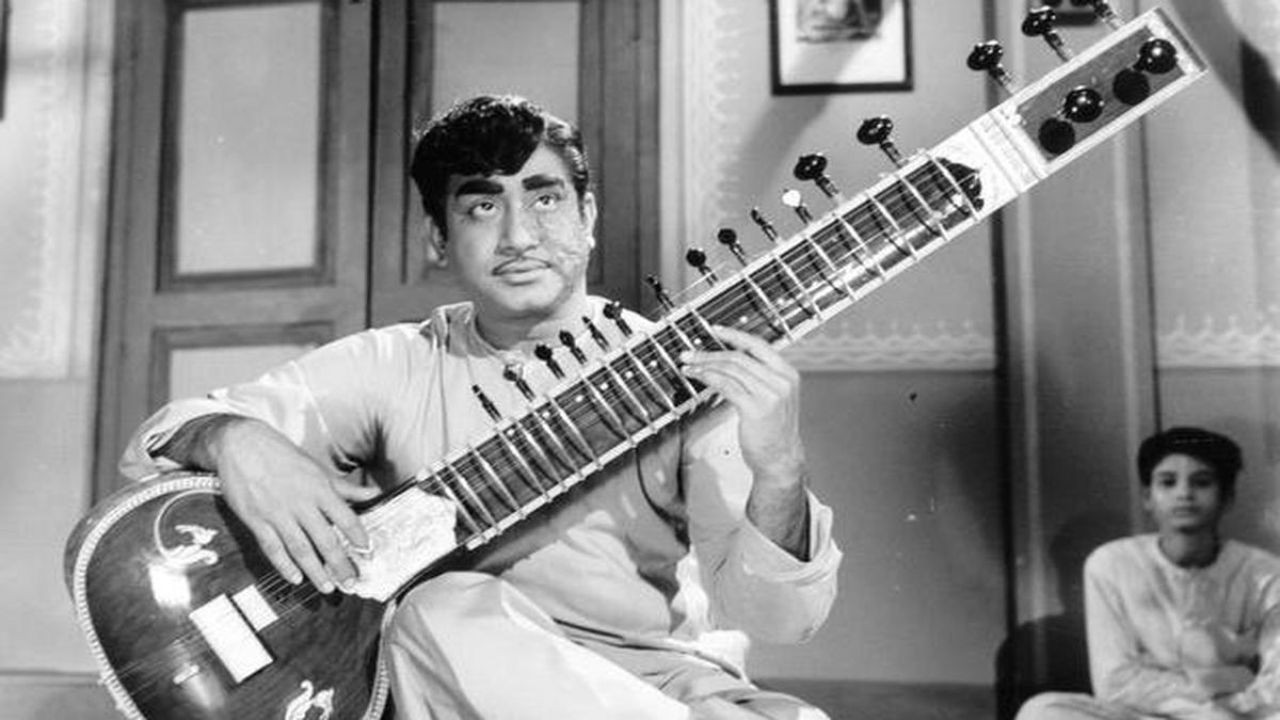

Dheiva Magan
A father ashamed of facial disfigurement believes his similarly affected son dead, setting up a tragic conflict of identity and rejection.
Original language: Tamil
Culture Check verdict
How we rateMixed / Contested
High confidence · Reviewed 2026-10-08
The film condemns shame-based rejection and gives moral force to parental responsibility and human dignity.
Read the assessment & evidenceCultural framing · not a film-quality score
Why this verdict
The specific findings behind our assessment.
The film condemns shame-based rejection and gives moral force to parental responsibility and human dignity.
The melodrama relies heavily on appearance as tragedy and reflects dated assumptions, so its Social Dharma achievement is qualified.
Noticed another scene? Tell us what happens and why it matters to Bharatiya values.
Reviewed 2026-10-08
Read our full editorial analysisWhat the film shows, its cultural framing, and why the verdict follows.
The story
Dheiva Magan gives moral weight to parental responsibility while confronting shame-based rejection. Appearance becomes a major source of tragedy within its melodrama.
What matters in the film
The condemnation of rejection is significant: human dignity should not depend on a family’s ability to display an acceptable face to others. The narrative’s reliance on appearance still shapes that dignity.
Culture Check reading
The positive reading centres the duty to acknowledge and care for one’s child. A parent’s shame cannot make the child responsible for repairing family prestige.
The strongest opposing reading
Melodrama can expose prejudice through heightened suffering. Yet repeatedly making appearance tragic can reproduce some of the assumptions the story seeks to challenge.
Why this verdict
Mixed credits the rejection of shame-based abandonment while retaining the limitations of its appearance-centred dramatic frame.
What this review does not claim
This draft develops a secondary plot account. It is not independently corroborated completed-film criticism and does not clear the existing evidence hold. Full-film viewing and verified dialogue are not claimed.
Supporting sources (1)
These sources support the analysis above. The cultural interpretation and verdict are Culture Check’s assessment.
- independently opened title-specific evidence
Supports: The story; What matters in the film; Culture Check reading; The strongest opposing reading; Why this verdict
Open the full evidence dossier
Signal map, Narrative Integrity and 3 source notes.
Open the full evidence dossier
Signal map, Narrative Integrity and 3 source notes.
Bharatiya signal map
Context for the verdict, not a film-quality score.
Dharma
3/5
Civilization
3/5
Rashtra
2/5
Itihasa
2/5
Parampara
2/5
Local Roots
4/5
Raksha
3/5
Social Dharma
4/5
Sacred Regard
2/5
Contempt Risk
2/5
Narrative Integrity
What changed, what it may mean, and what we can prove.
Evidence trail
Source notes behind this review.
film · Wikipedia title discovery
Title/year, credited premise and publicly documented plot context for Dheiva Magan (1969) were checked as the baseline film record.
View sourcefilm · IMDb title discovery
Independent title/credits discovery was used to cross-check that the certification attaches to the intended 1969 film rather than a remake or namesake.
View sourcereview · independently opened title-specific evidence
Opened plot documents refused infanticide, ashram upbringing, temple encounter, money without welcome and the son’s death followed by acceptance.
View sourceCulture Check is a declared Bharatiya cultural signal, not a film-quality rating. Facts, interpretation and claims about intent are kept separate, and factual caveats do not automatically override the certification axis.
Editorial revision history
2 recorded reviews
Open
Editorial revision history
2 recorded reviews
Review 2
2026-10-08
Mixed / Contested
The film condemns shame-based rejection and gives moral force to parental responsibility and human dignity.
Review 1
2026-10-03
Mixed / Contested
The film condemns shame-based rejection and gives moral force to parental responsibility and human dignity.
About the film
The film.
A father ashamed of facial disfigurement believes his similarly affected son dead, setting up a tragic conflict of identity and rejection.
Keep exploring.
Return to discovery with your OTT filters and find another film.