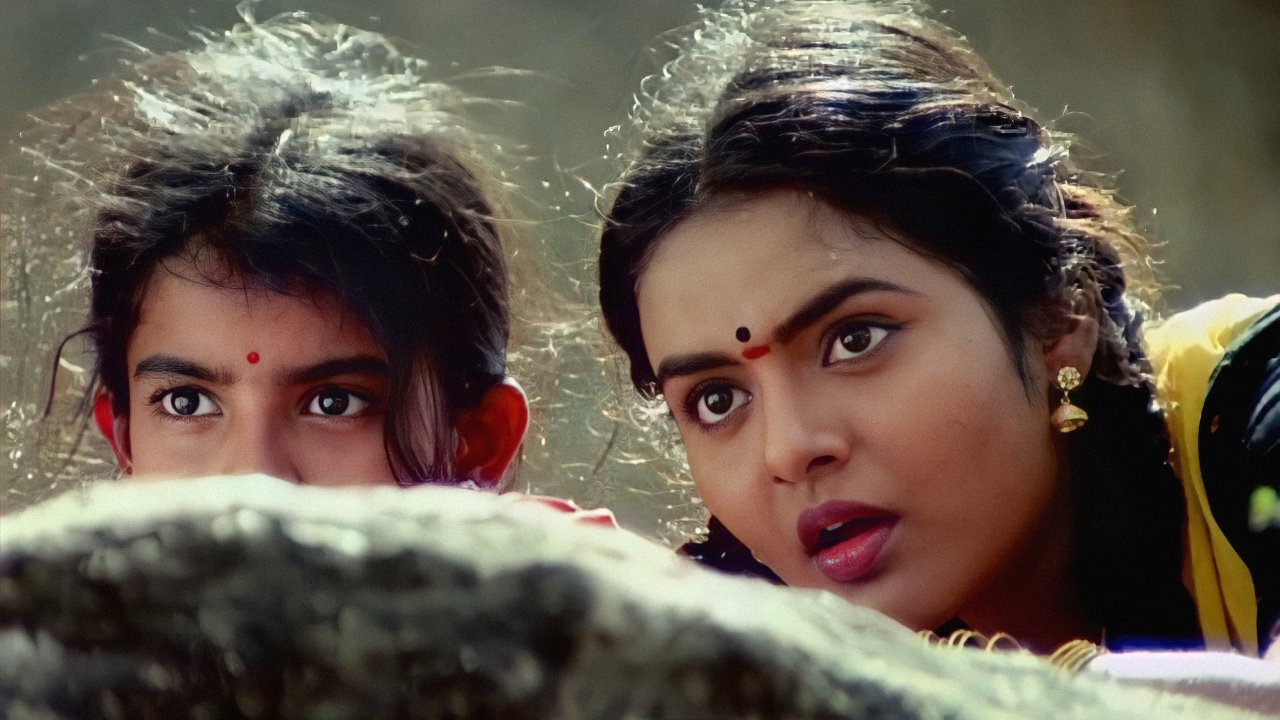
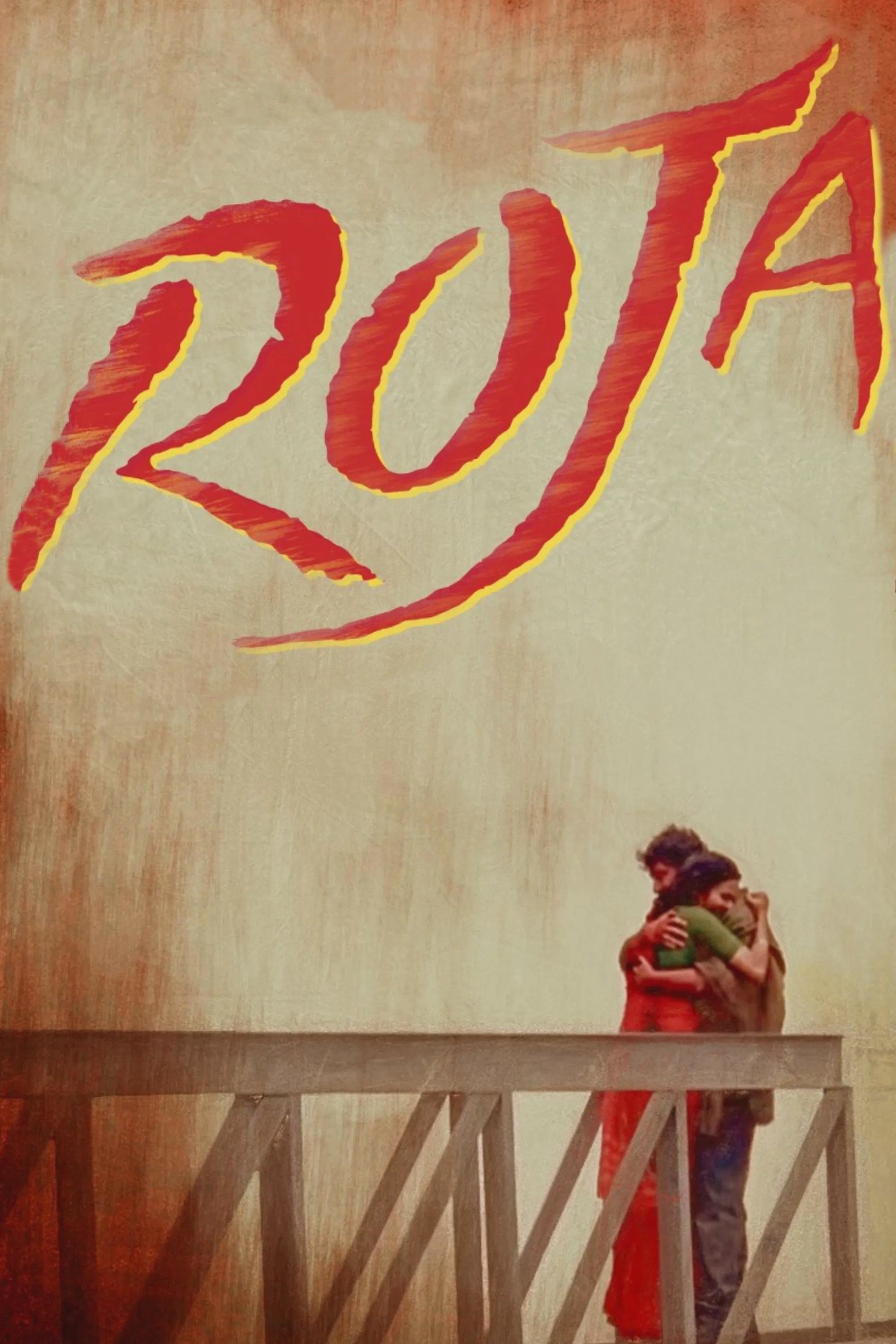
Roja
A fictional political-romance thriller moving from rural Tamil Nadu to Kashmir after an Indian cryptographer is kidnapped by militants.
Original language: Tamil
Culture Check verdict
How we rateReviewed · Not Certified
High confidence · Reviewed 2026-10-08
The film has unmistakable Indian-national and anti-separatist signals, including Rishi’s defence of the national flag and rejection of the militants’ political claim.
Read the assessment & evidenceCultural framing · not a film-quality score
Why this verdict
Does not meet Culture Check’s civilizational certification standard · Not a film-quality score
The specific findings behind our assessment.
The film has unmistakable Indian-national and anti-separatist signals, including Rishi’s defence of the national flag and rejection of the militants’ political claim.
However, the completed resolution materially humanises militant leader Liaqat and gives him a redemptive change of heart in which he releases the kidnapped Indian protagonist. Under the binding rule, sympathetic rehabilitation of a militant as part of the moral resolution is a hard stop, so the prior Certified verdict cannot stand.
gendered-community-humiliation: The narrative does not use Roja’s marriage to establish community inferiority. Her rescue efforts retain dignity; independent security findings remain binding.
Noticed another scene? Tell us what happens and why it matters to Bharatiya values.
Reviewed 2026-10-08
Read our full editorial analysisWhat the film shows, its cultural framing, and why the verdict follows.
The story
Roja has unmistakable Indian-national and anti-separatist elements, including Rishi’s defence of the flag. Its climax also gives militant leader Liaqat a redemptive decision to release his hostage.
What matters in the film
The assessment distinguishes depicting a militant as human from making sympathetic rehabilitation part of the moral resolution. Liaqat receives a viewpoint, interiority and a consequential change of heart.
Culture Check reading
Culture Check’s binding security rule treats that rehabilitation as a hard stop. The patriotic elements remain real, but cannot override the specific condition in the declared method.
The strongest opposing reading
The release can be read as a rejection of militancy rather than its vindication. The literal gate nevertheless applies to sympathetic redemption within the resolution, not only endorsement of a political cause.
Why this verdict
Not Certified follows that security rule; Roja’s rescue efforts retain dignity, and the hostage-taking is not misclassified as romantic coercion.
What this review does not claim
This analysis develops the film-specific published-source record. It does not claim independent full-film viewing, verified verbatim dialogue or knowledge of the filmmaker’s private intentions.
Supporting sources (3)
These sources support the analysis above. The cultural interpretation and verdict are Culture Check’s assessment.
- Times of India — 30 years of Roja
Supports: The story; What matters in the film; Culture Check reading; The strongest opposing reading; Why this verdict
- Wikipedia — Roja
Supports: The story; What matters in the film; Culture Check reading; The strongest opposing reading; Why this verdict
- Telegraph India — Roja at 25
Supports: The story; What matters in the film; Culture Check reading; The strongest opposing reading; Why this verdict
Open the full evidence dossier
Signal map, Narrative Integrity and 3 source notes.
Open the full evidence dossier
Signal map, Narrative Integrity and 3 source notes.
Bharatiya signal map
Context for the verdict, not a film-quality score.
Dharma
4/5
Civilization
4/5
Rashtra
5/5
Itihasa
3/5
Parampara
3/5
Local Roots
5/5
Raksha
5/5
Social Dharma
4/5
Sacred Regard
2/5
Contempt Risk
0/5
Narrative Integrity
What changed, what it may mean, and what we can prove.
Evidence trail
Source notes behind this review.
review · Times of India — 30 years of Roja
Retrospective analysis identifies Kashmir, terrorism, nationalism and Mani Ratnam’s political concerns as central to the film.
View sourcereview · Wikipedia — Roja
Records the fictional story of a Tamil woman whose husband is kidnapped by militants in Kashmir.
View sourcereview · Telegraph India — Roja at 25
Retrospective analysis explicitly says the film gave a human face to terrorists, foregrounded Liaqat’s jihad argument and culminated in Liaqat setting Rishi free.
View sourceCulture Check is a declared Bharatiya cultural signal, not a film-quality rating. Facts, interpretation and claims about intent are kept separate, and factual caveats do not automatically override the certification axis.
Editorial revision history
2 recorded reviews
Open
Editorial revision history
2 recorded reviews
Review 2
2026-10-08
Reviewed · Not Certified
The film has unmistakable Indian-national and anti-separatist signals, including Rishi’s defence of the national flag and rejection of the militants’ political claim.
Review 1
2026-10-03
Sanghi Certified
A Tamil village woman’s search for her kidnapped husband is placed inside the Kashmir insurgency without requiring the film to distance itself from Indian sovereignty, giving Rashtra and Raksha strong weight.
About the film
The film.
A fictional political-romance thriller moving from rural Tamil Nadu to Kashmir after an Indian cryptographer is kidnapped by militants.
Keep exploring.
Return to discovery with your OTT filters and find another film.