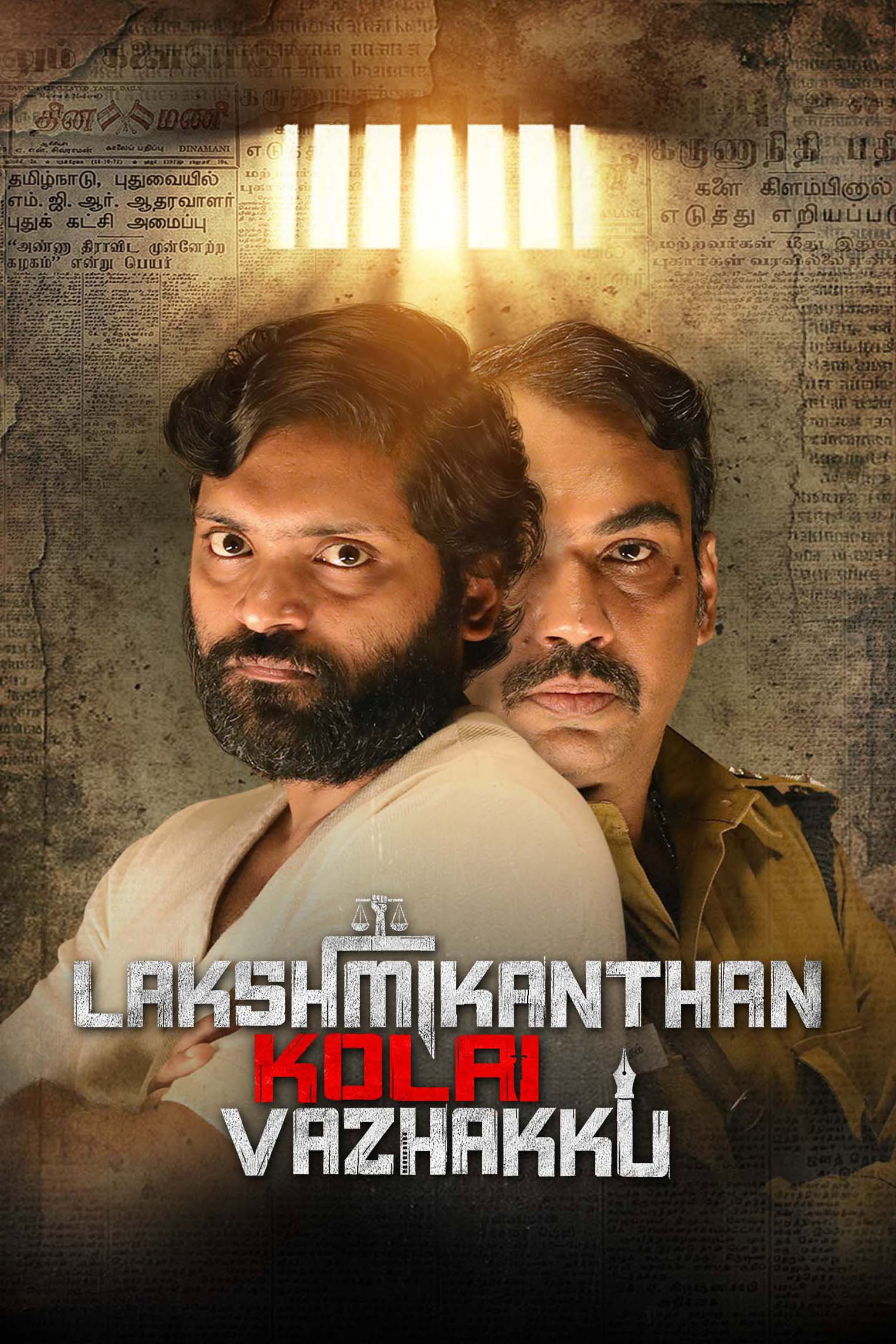
Lakshmikanthan Kolai Vazhakku
In a 1972 jail, condemned Arivumathi debates capital punishment with jailer Sivanandhan; a judge's frame and poverty flashbacks revisit his crime.
Original language: Tamil
Culture Check verdict
How we rateMixed / Contested
High confidence · Reviewed 2026-10-11
The dramatic structure is a sustained debate between a condemned prisoner and a jailer over capital punishment.
Read the assessment & evidenceCultural framing · not a film-quality score
Why this verdict
The specific findings behind our assessment.
The dramatic structure is a sustained debate between a condemned prisoner and a jailer over capital punishment.
The film takes justice seriously, but deliberately leaves punishment and guilt in ethical tension rather than resolving them into a stable Dharmic conclusion.
Noticed another scene? Tell us what happens and why it matters to Bharatiya values.
Reviewed 2026-10-11
Read our full editorial analysisWhat the film shows, its cultural framing, and why the verdict follows.
The story
Lakshmikanthan Kolai Vazhakku places a condemned prisoner and a jailer in sustained debate over capital punishment. Guilt and the authority to punish remain in tension.
What matters in the film
The dramatic focus is argument rather than punishment as an unquestioned solution. The jailer’s institutional role and the prisoner’s vulnerability give each position consequences beyond abstraction.
Culture Check reading
The film’s moral interest lies in whether certainty about guilt can justify an irreversible sentence. Taking justice seriously requires examining the limits of the person and institution deciding it.
The strongest opposing reading
An unresolved debate can be intellectually responsible rather than evasive. It nevertheless does not establish a stable affirmative answer to the ethical problem.
Why this verdict
Mixed reflects the sustained seriousness of the justice inquiry alongside its deliberately unsettled conclusion about punishment.
What this review does not claim
This analysis develops the film-specific published-source record. It does not claim independent full-film viewing, verified verbatim dialogue or knowledge of the filmmaker’s private intentions.
Supporting sources (1)
These sources support the analysis above. The cultural interpretation and verdict are Culture Check’s assessment.
- Times of India — Lakshmikanthan Kolai Vazhakku review
Supports: The story; What matters in the film; Culture Check reading; The strongest opposing reading; Why this verdict
Open the full evidence dossier
Signal map, Narrative Integrity and 2 source notes.
Open the full evidence dossier
Signal map, Narrative Integrity and 2 source notes.
Bharatiya signal map
Context for the verdict, not a film-quality score.
Dharma
3/5
Civilization
2/5
Rashtra
2/5
Itihasa
2/5
Parampara
2/5
Local Roots
3/5
Raksha
3/5
Social Dharma
4/5
Sacred Regard
1/5
Contempt Risk
1/5
Narrative Integrity
What changed, what it may mean, and what we can prove.
Evidence trail
Source notes behind this review.
review · Times of India — Lakshmikanthan Kolai Vazhakku review
The dramatic structure is a sustained debate between a condemned prisoner and a jailer over capital punishment.
View sourcereview · 2026 Tamil-film release index
Lakshmikanthan Kolai Vazhakku is listed in the 2026 Tamil release calendar used for tranche scoping and primary-language cross-checking.
View sourceCulture Check is a declared Bharatiya cultural signal, not a film-quality rating. Facts, interpretation and claims about intent are kept separate, and factual caveats do not automatically override the certification axis.
Editorial revision history
2 recorded reviews
Open
Editorial revision history
2 recorded reviews
Review 2
2026-10-11
Mixed / Contested
The dramatic structure is a sustained debate between a condemned prisoner and a jailer over capital punishment.
Review 1
2026-10-03
Mixed / Contested
The dramatic structure is a sustained debate between a condemned prisoner and a jailer over capital punishment.
About the film
The film.
In a 1972 jail, condemned Arivumathi debates capital punishment with jailer Sivanandhan; a judge's frame and poverty flashbacks revisit his crime.
Keep exploring.
Return to discovery with your OTT filters and find another film.