
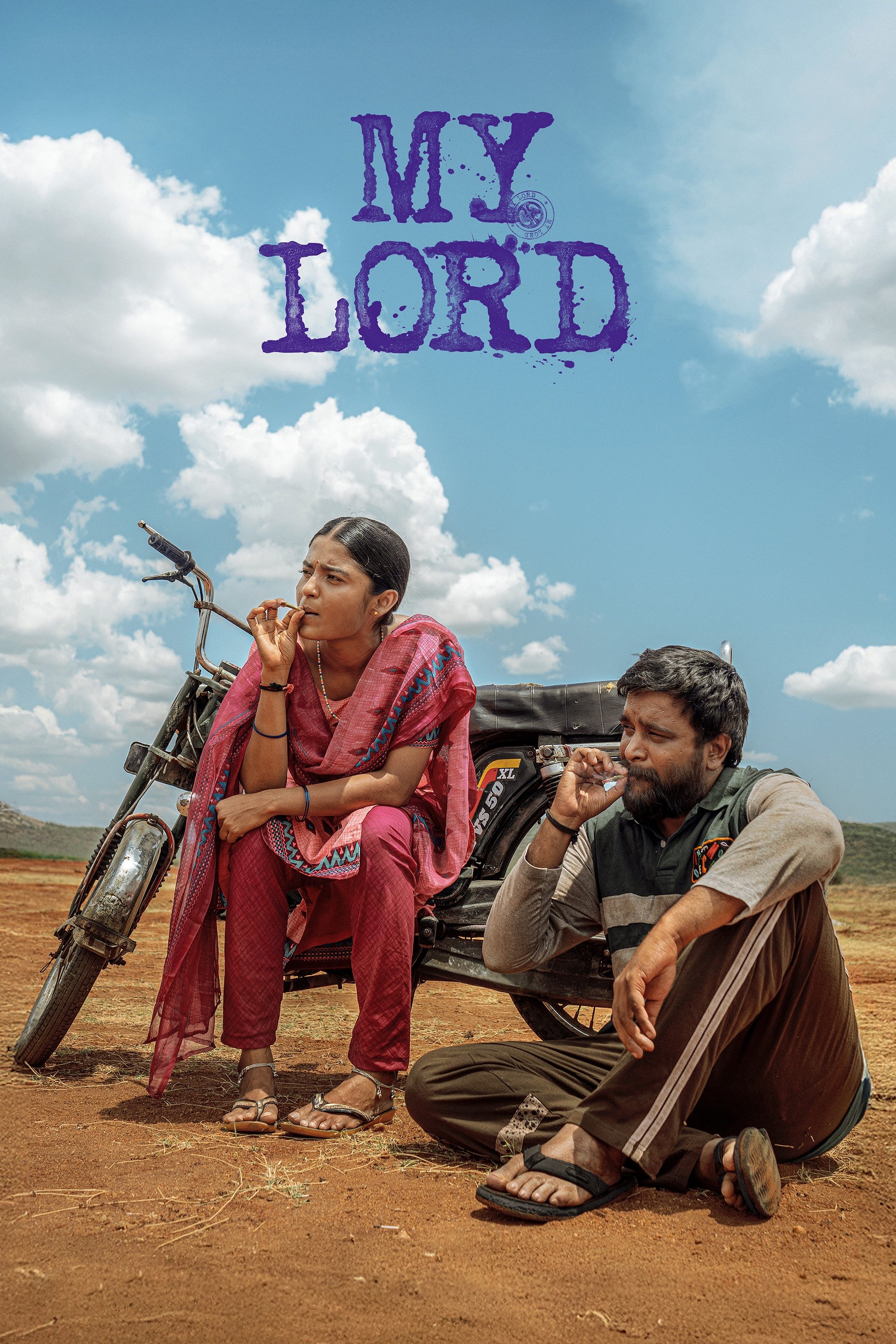
My Lord
Matchbox worker Muthusirpi and wife Suseela are officially recorded as dead while a political network demands his kidney; a major hospital stages an elaborate pooja, and the hero's Vallalar-influenced compassion is an important contrasting sacred moral frame.
Original language: Tamil
Culture Check verdict
How we rateMixed / Contested
High confidence · Reviewed 2026-10-11
The satire's villainous medical-political order stages a showy Hindu rite at a hospital, while the exploited protagonist is nurtured by Vallalar devotion. This is an attributable religiously framed moral contrast that warrants a narrow Hindu sacred-valence caution—not an accusation against every Hindu worshipper or an inference of director intent.
Read the assessment & evidenceCultural framing · not a film-quality score
Why this verdict
The specific findings behind our assessment.
The satire's villainous medical-political order stages a showy Hindu rite at a hospital, while the exploited protagonist is nurtured by Vallalar devotion. This is an attributable religiously framed moral contrast that warrants a narrow Hindu sacred-valence caution—not an accusation against every Hindu worshipper or an inference of director intent.
A hospital ritual is not inherently wrongful; the director may be satirizing corrupt officials rather than Hindu faith. The hero's Vallalar Arutperunjothi-oriented spiritual ethics are deeply rooted in Tamil Hindu tradition, which positively qualifies the critique.
Noticed another scene? Tell us what happens and why it matters to Bharatiya values.
Reviewed 2026-10-11
Read our full editorial analysisWhat the film shows, its cultural framing, and why the verdict follows.
The story
Matchbox worker Muthusirpi and his wife Suseela are officially declared dead while a political network seeks his kidney. Bureaucratic erasure makes their vulnerability available for exploitation.
What matters in the film
The reported hospital pooja places public religious display within a corrupt medical-political order. In contrast, the hero’s Vallalar-influenced compassion gives Tamil spiritual inheritance a positive ethical presence.
Culture Check reading
This contrast requires precision. The hospital rite is concerning through its association with exploitation, not because performing a pooja is inherently wrong. The hero’s devotional compassion prevents the religious imagery from pointing in only one direction.
The strongest opposing reading
The strongest alternative reading sees satire aimed at officials who cloak wrongdoing in respectability. Vallalar’s spiritual ethics then provide an internal answer to their conduct rather than a rejection of Hindu tradition altogether.
Why this verdict
Mixed / Contested retains the narrow sacred-valence caution alongside that substantial counterweight. The moral contrast is between exploited people and corrupt power, with religious framing that complicates rather than settles the film’s cultural direction.
What this review does not claim
This analysis develops the film-specific published-source record. It does not claim independent full-film viewing, verified verbatim dialogue or knowledge of the filmmaker’s private intentions.
Supporting sources (3)
These sources support the analysis above. The cultural interpretation and verdict are Culture Check’s assessment.
- The Hollywood Reporter India — detailed screen sequences
Supports: The story; What matters in the film; Culture Check reading; The strongest opposing reading; Why this verdict
- Times of India full film narrative
Supports: The story; What matters in the film; Culture Check reading; The strongest opposing reading; Why this verdict
- Pentagan Media — independent faith-based narrative
Supports: The story; What matters in the film; Culture Check reading; The strongest opposing reading; Why this verdict
Open the full evidence dossier
Signal map, Narrative Integrity and 4 source notes.
Open the full evidence dossier
Signal map, Narrative Integrity and 4 source notes.
Bharatiya signal map
Context for the verdict, not a film-quality score.
Dharma
3/5
Civilization
2/5
Rashtra
2/5
Itihasa
2/5
Parampara
2/5
Local Roots
3/5
Raksha
3/5
Social Dharma
3/5
Sacred Regard
2/5
Contempt Risk
2/5
Narrative Integrity
What changed, what it may mean, and what we can prove.
Evidence trail
Source notes behind this review.
review · The Hollywood Reporter India — detailed screen sequences
Matchbox worker Muthusirpi and wife Suseela are officially recorded as dead while a political network demands his kidney; a major hospital stages an elaborate pooja, and the hero's Vallalar-influenced compassion is an important contrasting sacred moral frame. The satire's villainous medical-political order stages a showy Hindu rite at a hospital, while the exploited protagonist is nurtured by Vallalar devotion. This is an attributable religiously framed moral contrast that warrants a narrow Hindu sacred-valence caution—not an accusation against every Hindu worshipper or an inference of director intent.
View sourcereview · JustWatch India — original-language Tamil India OTT listing
My Lord is an India-streamable Tamil-original 2026 film on Prime Video. Its synopsis confirms: Matchbox worker Muthusirpi and wife Suseela are officially recorded as dead while a political network demands his kidney; a major hospital stages an elaborate pooja, and the hero's Vallalar-influenced compassion is an important contrasting sacred moral frame.
View sourcereview · Times of India full film narrative
The powerless matchbox worker and wife are declared dead while political operatives target him for kidney donation
View sourcereview · Pentagan Media — independent faith-based narrative
The lead Muthusirpi was guided into Vallalar devotion by his wife’s father; minister seeks his kidney and the film's political characters parallel real persons.
View sourceCulture Check is a declared Bharatiya cultural signal, not a film-quality rating. Facts, interpretation and claims about intent are kept separate, and factual caveats do not automatically override the certification axis.
Editorial revision history
5 recorded reviews
Open
Editorial revision history
5 recorded reviews
Review 5
2026-10-11
Mixed / Contested
The satire's villainous medical-political order stages a showy Hindu rite at a hospital, while the exploited protagonist is nurtured by Vallalar devotion. This is an attributable religiously framed moral contrast that warrants a narrow Hindu sacred-valence caution—not an accusation against every Hindu worshipper or an inference of director intent.
Review 4
2026-10-06
Sanghi Certified
My Lord links its resistance to organ trafficking, predatory lending and bureaucratic dehumanisation to an explicitly compassionate moral core: Muthuchirpi and Sushila remain held together by the teachings of Vallalar even as systems exploit them.
Review 3
2026-10-06
Sanghi Certified
My Lord links its resistance to organ trafficking, predatory lending and bureaucratic dehumanisation to an explicitly compassionate moral core: Muthuchirpi and Sushila remain held together by the teachings of Vallalar even as systems exploit them.
Review 2
2026-10-03
Mixed / Contested
A Tamil social thriller about a couple declared dead by bureaucracy who encounter corruption and trafficking while trying to restore their legal identity; institutional critique is meaningful but the thriller world remains morally unstable.
Review 1
2026-10-03
Reviewed · Neutral
The film engages the documented premise, character obligations, family or social relationships, and the film's local Indian setting, but the available evidence does not support a strong directional Bharatiya certification or rejection.
About the film
The film.
Matchbox worker Muthusirpi and wife Suseela are officially recorded as dead while a political network demands his kidney; a major hospital stages an elaborate pooja, and the hero's Vallalar-influenced compassion is an important contrasting sacred moral frame.
Keep exploring.
Return to discovery with your OTT filters and find another film.