
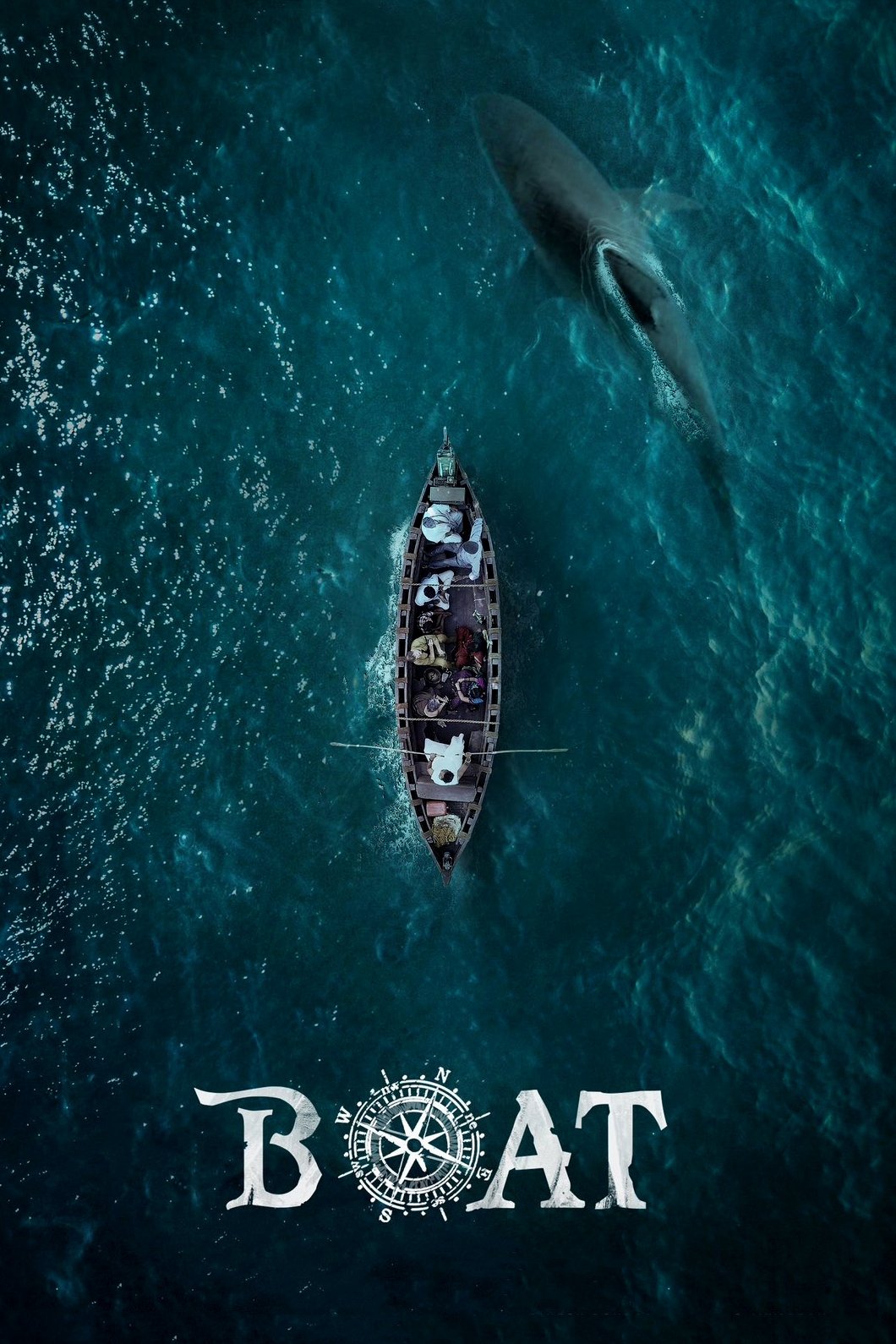
Boat
In the 1943 wartime survival satire, boatman Kumaran shelters varied passengers including orthodox father Narayana and his daughter Lakshmi; casteist hostility is juxtaposed against the fisherman’s responsibility and the daughter’s reported attraction.
Original language: Tamil
Culture Check verdict
How we rateReviewed · Not Certified
High confidence · Reviewed 2026-10-13
Not Certified, retained. The new firsthand feedback reinforces the existing daughter/outsider and orthodox-father assessment. No additional invented historical claim is needed to justify it, and a favorable appreciation of the survival craft would not reverse the cultural finding.
Read the assessment & evidenceCultural framing · not a film-quality score
Why this verdict
Does not meet Culture Check’s civilizational certification standard · Not a film-quality score
The specific findings behind our assessment.
Not Certified, retained. The new firsthand feedback reinforces the existing daughter/outsider and orthodox-father assessment. No additional invented historical claim is needed to justify it, and a favorable appreciation of the survival craft would not reverse the cultural finding.
This is a cumulative community-and-gender finding. Responsibility under danger is admirable, but its dramatic use to discredit the orthodox household and make the outsider its moral answer deserves independent scrutiny. A social criticism can be legitimate while also employing a disparaging community template.
Noticed another scene? Tell us what happens and why it matters to Bharatiya values.
Reviewed 2026-10-13
Read our full editorial analysisWhat the film shows, its cultural framing, and why the verdict follows.
The narrative under review
Boat places passengers of different social backgrounds inside a wartime survival crisis. Kumaran’s practical responsibility on the vessel provides genuine grounds for respect. The cultural judgment concerns the additional moral arrangement built around orthodox Narayana, his daughter Lakshmi and the fisherman they depend upon.
The consequential choices
Narayana’s caste-marked hostility makes inherited authority the diminished pole beside Kumaran’s competence. Lakshmi’s attraction and the culturally pointed song give the daughter’s movement toward the outsider an emotional function within that same contrast.
Our Bharatiya reading
This is a cumulative community-and-gender finding. Responsibility under danger is admirable, but its dramatic use to discredit the orthodox household and make the outsider its moral answer deserves independent scrutiny. A social criticism can be legitimate while also employing a disparaging community template.
Scope of the finding
The adverse finding concerns specific community, relationship and lyric choices. A general theory of wartime politics or the filmmaker’s allegiance is unnecessary to that conclusion; unestablished historical speeches and private intentions are not added to the account.
Certification
Not Certified, retained. The new firsthand feedback reinforces the existing daughter/outsider and orthodox-father assessment. No additional invented historical claim is needed to justify it, and a favorable appreciation of the survival craft would not reverse the cultural finding.
What this review does not claim
This review uses owner-designated firsthand viewer accounts and the retained source record. No new editor screening, unverified verbatim dialogue or private filmmaker motive is claimed.
Supporting sources (3)
These sources support the analysis above. The cultural interpretation and verdict are Culture Check’s assessment.
- Owner-designated firsthand viewer — Boat, feedback snapshot 13 October 2026
Supports: The narrative under review; The consequential choices; Our Bharatiya reading; Scope of the finding; Certification
- Tamil Labs — Decoding Dravidawood #4
Supports: The narrative under review; The consequential choices; Our Bharatiya reading; Scope of the finding; Certification
- The New Indian Express — Boat review
Supports: The narrative under review; The consequential choices; Our Bharatiya reading; Scope of the finding; Certification
Open the full evidence dossier
Signal map, Narrative Integrity and 4 source notes.
Open the full evidence dossier
Signal map, Narrative Integrity and 4 source notes.
Bharatiya signal map
Context for the verdict, not a film-quality score.
Dharma
2/5
Civilization
1/5
Rashtra
2/5
Itihasa
2/5
Parampara
1/5
Local Roots
3/5
Raksha
3/5
Social Dharma
2/5
Sacred Regard
1/5
Contempt Risk
4/5
Narrative Integrity
What changed, what it may mean, and what we can prove.
Evidence trail
Source notes behind this review.
review · Tamil Labs — Decoding Dravidawood #4
The human critic specifically reads Boat as a Brahmin father, daughter and fisherman character contrast, including a Carnatic song with North Madras slang.
View sourcereview · The New Indian Express — Boat review
Contemporaneous criticism reports that Narayana makes casteist statements despite seeking safety on Kumaran’s boat; the ensemble consists of contrasting caste and community types.
View sourcereview · OTTplay — Boat review
The review identifies Narayan, his daughter Lakshmi, and fisherman Kumaran as passengers in the 1943 wartime survival narrative.
View sourceprimary · Owner-designated firsthand viewer — Boat, feedback snapshot 13 October 2026
The viewer objects to the orthodox microcommunity portrayal and the Brahmin-daughter/outside-liberator construction. Pro-British and pro-EVR are supplied as broad interpretations, without a newly specified speech or historical event; those claims are not falsely converted into observed scene facts.
View sourceCulture Check is a declared Bharatiya cultural signal, not a film-quality rating. Facts, interpretation and claims about intent are kept separate, and factual caveats do not automatically override the certification axis.
Editorial revision history
2 recorded reviews
Open
Editorial revision history
2 recorded reviews
Review 2
2026-10-13
Reviewed · Not Certified
Not Certified, retained. The new firsthand feedback reinforces the existing daughter/outsider and orthodox-father assessment. No additional invented historical claim is needed to justify it, and a favorable appreciation of the survival craft would not reverse the cultural finding.
Review 1
2026-10-10
Reviewed · Not Certified
The wartime survival story repeatedly gives the prejudiced orthodox father diminished moral standing beside the capable fisherman on whom the passengers rely.
About the film
The film.
In the 1943 wartime survival satire, boatman Kumaran shelters varied passengers including orthodox father Narayana and his daughter Lakshmi; casteist hostility is juxtaposed against the fisherman’s responsibility and the daughter’s reported attraction.
Keep exploring.
Return to discovery with your OTT filters and find another film.