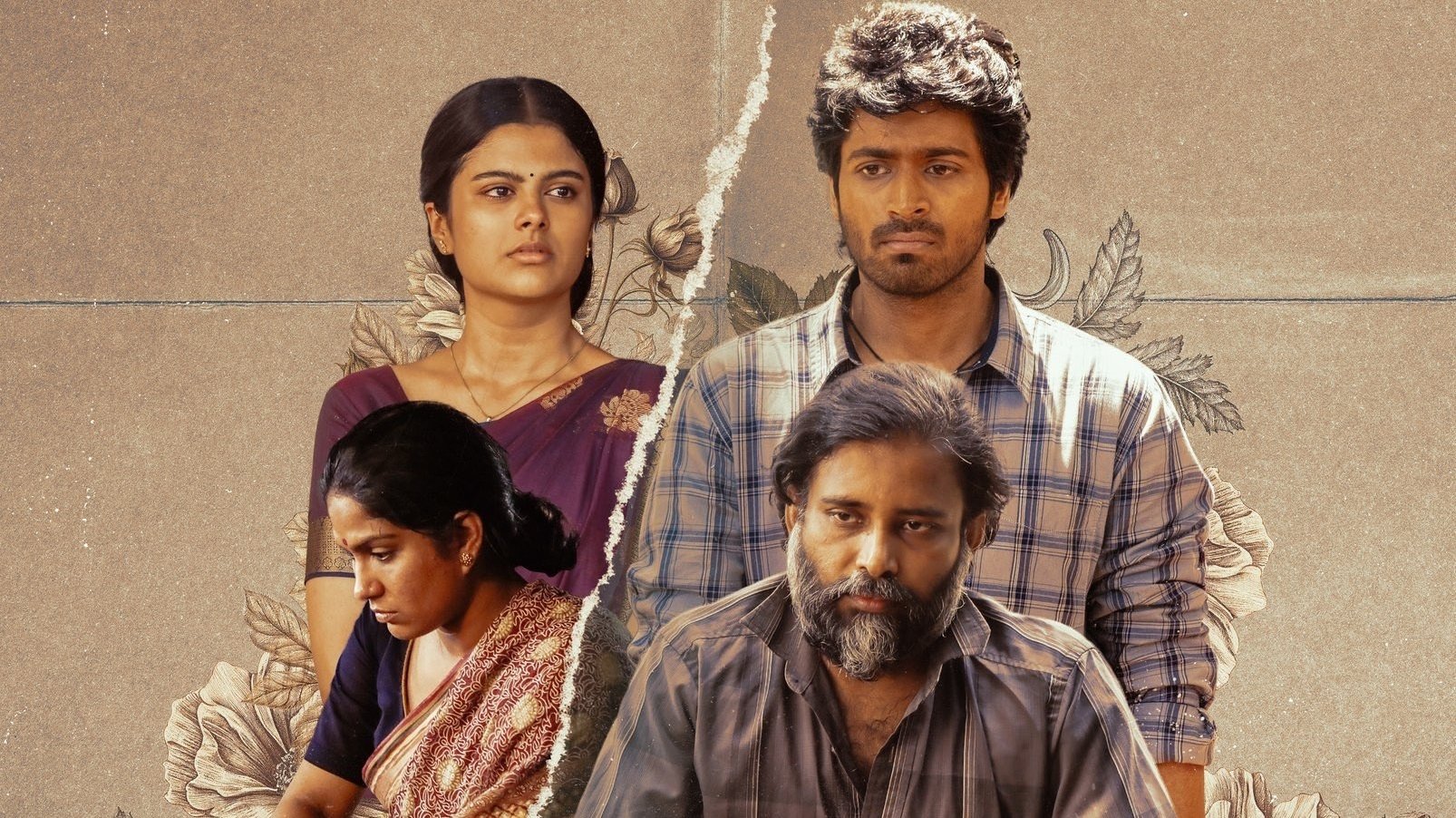

Lubber Pandhu
Tamil theatrical hit backfill (2021-2025). The completed film is reviewed through its central narrative: local cricket, family, intergenerational reconciliation and equality across caste lines. Commercial success is recorded separately and is never used as cultural-verdict evidence.
Original language: Tamil
Culture Check verdict
How we rateSanghi Certified
High confidence · Reviewed 2026-10-08
The dominant narrative positively emphasizes local cricket, family, intergenerational reconciliation and equality across caste lines, supporting a Bharatiya/Hindu-civilizational reading through duty, rootedness, protection, family or social responsibility as applicable.
Read the assessment & evidenceCultural framing · not a film-quality score
Why this verdict
Called an insult. Worn as a badge.
The specific findings behind our assessment.
The dominant narrative positively emphasizes local cricket, family, intergenerational reconciliation and equality across caste lines, supporting a Bharatiya/Hindu-civilizational reading through duty, rootedness, protection, family or social responsibility as applicable.
male ego and caste exclusion cause real harm, but the film's reform direction is inclusion within a rooted Tamil community
Noticed another scene? Tell us what happens and why it matters to Bharatiya values.
Reviewed 2026-10-08
Read our full editorial analysisWhat the film shows, its cultural framing, and why the verdict follows.
The story
Local cricket brings male ego, caste exclusion and intergenerational family tensions into the same field. Reconciliation requires changing how people relate within a community they continue to value.
What matters in the film
The sport supplies a shared practice rather than an escape from local life. Family relationships and cricketing rivalries have to become more inclusive for that belonging to remain constructive.
Culture Check reading
Culture Check values reform within the rooted Tamil setting. The positive direction is not that exclusion was harmless, but that the people shaped by it can acquire responsibility for correcting it.
The strongest opposing reading
Male pride and caste barriers cause real harm before the correction. They cannot be dismissed as amusing obstacles, although the reported movement towards equality offers counter-evidence on the same social axis.
Why this verdict
Certified recognises that inclusive reform and familial reconciliation. Lubber Pandhu's cultural affirmation is a community becoming more capable of honouring its members, rather than declaring its starting hierarchy beyond criticism.
What this review does not claim
This analysis develops the film-specific published-source record. It does not claim independent full-film viewing, verified verbatim dialogue or knowledge of the filmmaker’s private intentions.
Supporting sources (4)
These sources support the analysis above. The cultural interpretation and verdict are Culture Check’s assessment.
- Indian Express — Lubber Pandhu review
Supports: The story; What matters in the film; Culture Check reading; The strongest opposing reading; Why this verdict
- Trade verification — tfapa.com
Supports: The story; What matters in the film; Culture Check reading; The strongest opposing reading; Why this verdict
- OTTplay — Tamizharasan Pachamuthu interview
Supports: The story; What matters in the film; Culture Check reading; The strongest opposing reading; Why this verdict
- Indian Express — Lubber Pandhu review
Supports: The story; What matters in the film; Culture Check reading; The strongest opposing reading; Why this verdict
Open the full evidence dossier
Signal map, Narrative Integrity and 4 source notes.
Open the full evidence dossier
Signal map, Narrative Integrity and 4 source notes.
Bharatiya signal map
Context for the verdict, not a film-quality score.
Dharma
4/5
Civilization
3/5
Rashtra
2/5
Itihasa
2/5
Parampara
3/5
Local Roots
3/5
Raksha
3/5
Social Dharma
4/5
Sacred Regard
2/5
Contempt Risk
0/5
Narrative Integrity
What changed, what it may mean, and what we can prove.
Evidence trail
Source notes behind this review.
review · Indian Express — Lubber Pandhu review
Title-specific cultural review: local cricket, family, intergenerational reconciliation and equality across caste lines. Counter-reading retained: male ego and caste exclusion cause real harm, but the film's reform direction is inclusion within a rooted Tamil community.
View sourcereview · Trade verification — tfapa.com
Commercial-scope evidence only: TFAPA identifies it as a major surprise with strong TN collections. This source establishes hit inclusion, not the Culture Check verdict.
View sourceinterview · OTTplay — Tamizharasan Pachamuthu interview
The director describes using cricket and romance to communicate equality through characters grounded in real life.
View sourcereview · Indian Express — Lubber Pandhu review
Finds caste hierarchy, inclusion, family, romance and cricket integrated without reducing characters to ideological types.
View sourceCulture Check is a declared Bharatiya cultural signal, not a film-quality rating. Facts, interpretation and claims about intent are kept separate, and factual caveats do not automatically override the certification axis.
Editorial revision history
2 recorded reviews
Open
Editorial revision history
2 recorded reviews
Review 2
2026-10-08
Sanghi Certified
The dominant narrative positively emphasizes local cricket, family, intergenerational reconciliation and equality across caste lines, supporting a Bharatiya/Hindu-civilizational reading through duty, rootedness, protection, family or social responsibility as applicable.
Review 1
2026-10-03
Sanghi Certified
The film turns local cricket, family ties and intergenerational ego into a rooted Tamil social world while explicitly arguing that caste barriers should yield to dignity, talent and human relationships.
About the film
The film.
Tamil theatrical hit backfill (2021-2025). The completed film is reviewed through its central narrative: local cricket, family, intergenerational reconciliation and equality across caste lines. Commercial success is recorded separately and is never used as cultural-verdict evidence.
Keep exploring.
Return to discovery with your OTT filters and find another film.